Moving from niche wellness into the mainstream.
Modern sound therapy has been increasing in popularity and become a mainstream wellness practice due to a growing demand for non-invasive, holistic, and stress-reducing interventions.
Techniques include sound baths, tuning forks, and binaural beats to combat anxiety and burnout. Around 58% of wellness centers in the U.S. offer some form of sound therapy, with increasing collaboration with yoga centers and corporate wellness programs. Research has shown that specific types of music and sound frequencies may help reduce anxiety, lower heart rate, improve sleep quality, and even reduce the perception of pain.
Sound therapy is the use of sound frequencies, rhythms, and vibrations to influence the body and mind. The simple principle is that everything vibrates and operates at specific frequencies. Brainwaves, emotions, human organs all do, and when they fall out of balance due to trauma, stress or illness, sound can be used as a tool to guide the system back into harmony. It makes sense to me.
Sound-based healing practices have existed for thousands of years in many cultures. There have been Tibetan has singing bowls, Aboriginal didgeridoos, and Vedic chanting. Modern sound therapy integrates those traditions with modern scientific knowledge and technology.
Contemporary sound therapy uses neuroscience, psychology, and physics. These disciplines have produced brainwave entertainment, the process by which external rhythmic stimuli influence brainwave patterns. Another is resonance, where certain sound frequencies can stimulate the vagus nerve, calm the nervous system, and promote parasympathetic (rest & digestion) activity. Many people say they feel calmer, clearer, and more emotionally balanced after sound therapy sessions. Because sound bypasses analytical thinking and works directly with the nervous system, it can be very effective for people who struggle with traditional talk-based therapies.
Here are some of the options:
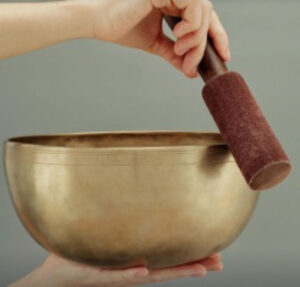
 Singing bowls and gongs: Used in sound baths, these instruments produce rich overtones that wash over the listener, encouraging deep relaxation.

- Tuning forks: Calibrated to specific frequencies, tuning forks may be applied near or on the body to target tension or energetic blockages.
- Binaural beats: Delivered through headphones, binaural beats use slightly different frequencies in each ear to influence brainwave states.
- Vocal toning and chanting: The human voice is one of the most powerful sound healing tools, using sustained vowels or mantras to stimulate resonance within the body.
- Frequency-based audio tracks: Modern apps and wellness platforms offer curated soundscapes designed for sleep, focus, meditation, or emotional release. See below for a recommendation for one on You Tube.
Many well-known celebrities have been raving about having sound therapy as part of their self-care routines. Katy Perry, Adele, Russell Brand, Reese Witherspoon, and Ben Folds have all shared their beneficial use of sound therapy to improve their mental health and manage stress.
Sound therapy is not only available from specialized practitioners. It has entered everyday life through meditation apps, sleep playlists, noise machines, and wellness technology. Even DIY practices like humming, listening to calming music, or walking in a scenic area, can be considered forms of sound therapy. Intentional sound therapy is about awareness and active listening to notice how the sounds affect breath, body sensations and emotional state.
I have tried Zac’s Stress Relief Music on You Tube and liked many of the options.
I searched reviews of other top-rated sound therapy apps and here the top results:
- myNoise for deep customization
- BetterSleep for layered sleep sounds
- Endel for AI-driven focus
- Resound Relief for tinnitus
A concern –
Some studies lack strong empirical support; therefore, sound therapy should not replace any medical treatment. Sound therapy should be viewed as complementary to other wellness practices. It is a low-risk, accessible tool for relaxation and stress management.
The post Modern Sound Therapy appeared first on Sharp Eye.

Leave a Reply