Author: admin

  • New Home Tour

    New Home Tour

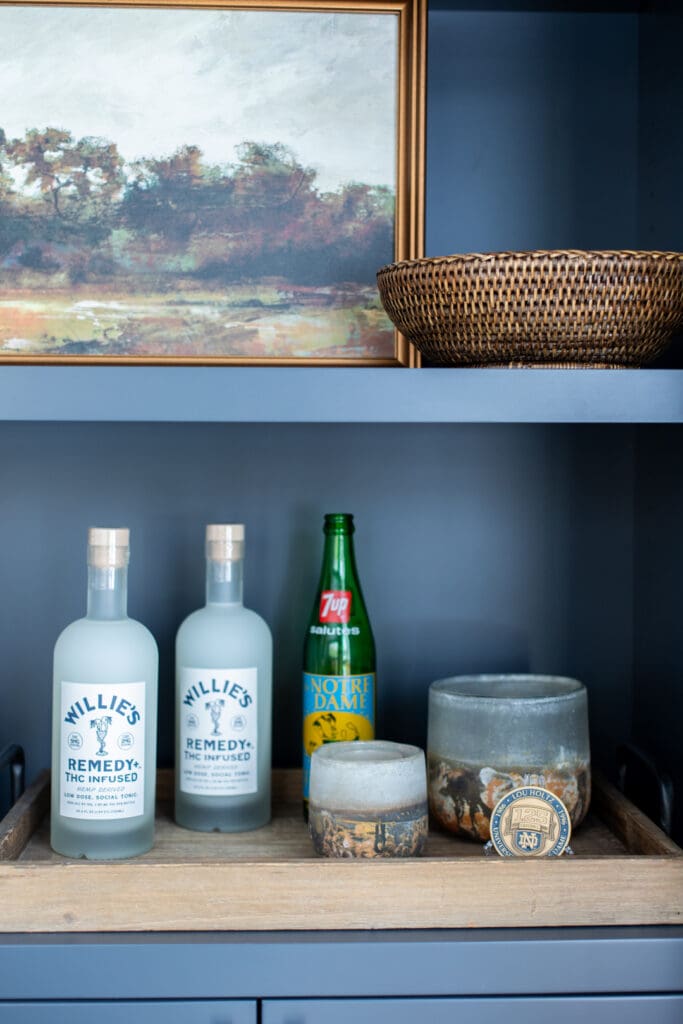
    Well hello there, welcome in! 👋 We officially moved into our new home in December and are starting to feel settled in and like this house is now a home!

    We had the joy of working with Emily Moss Designs on this space – the same super talented team who designed our Anna Maria Island home! Working together with them and watching the vision come to life here has been so special. They truly understand how we live as a family and helped create a home that feels both beautiful and functional for this season of life!

    Today I’m sharing a full room-by-room tour of our home! Some spaces are completely finished, while others are still coming together. Our basement is currently being finished, so we’ll be adding those photos soon once it’s complete!

    I am so grateful and excited for the memories and every day moments that will fill this space! Thank you for being here and following along during this new chapter đŸ€

    Entryway

    Paint colors: Walls: Sherwin Williams Marshmallow // Trim: Benjamin Moore Chantilly Lace

    Shop the Entryway:

    Shawn’s Office

    Paint colors: Walls: Sherwin Williams Samovar Silver // Trim: Benjamin Moore Chantilly Lace

    Shop Shawn’s Office:

    Bathroom 1

    Paint colors:

    Shop this bathroom:

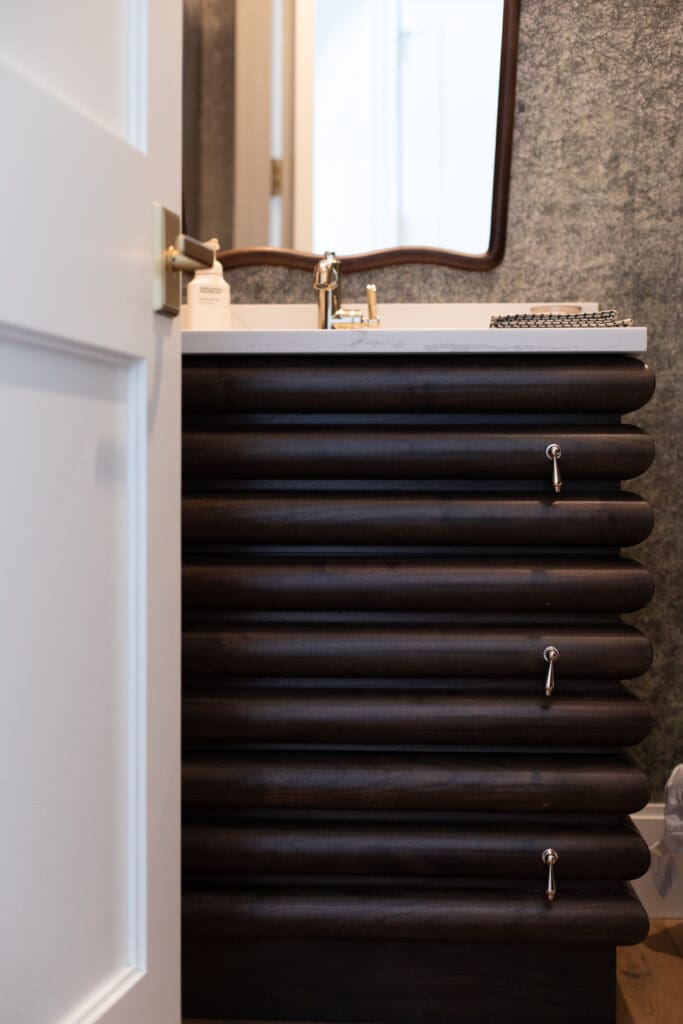
    Bathroom 2

    Wallpaper: Similar option // Trim: Benjamin Moore Chantilly Lace

    Shop this bathroom:

    Lounge

    Paint colors: High-Gloss Sherwin Williams Peacock Plume

    Shop the lounge:

    Sunroom

    Paint colors: Sherwin Williams Filmy Green

    Shop the sunroom:

    Red Room

    Paint colors: Sherwin Williams Rookwood Red

    Shop the red room:

    Living Room

    Paint colors: Walls: Sherwin Williams Marshmallow // Trim: Benjamin Moore Chantilly Lace

    Shop the living room:

    Kitchen

    Paint colors: Walls: Sherwin Williams Marshmallow // Trim: Benjamin Moore Chantilly Lace

    Shop the kitchen + dining room:

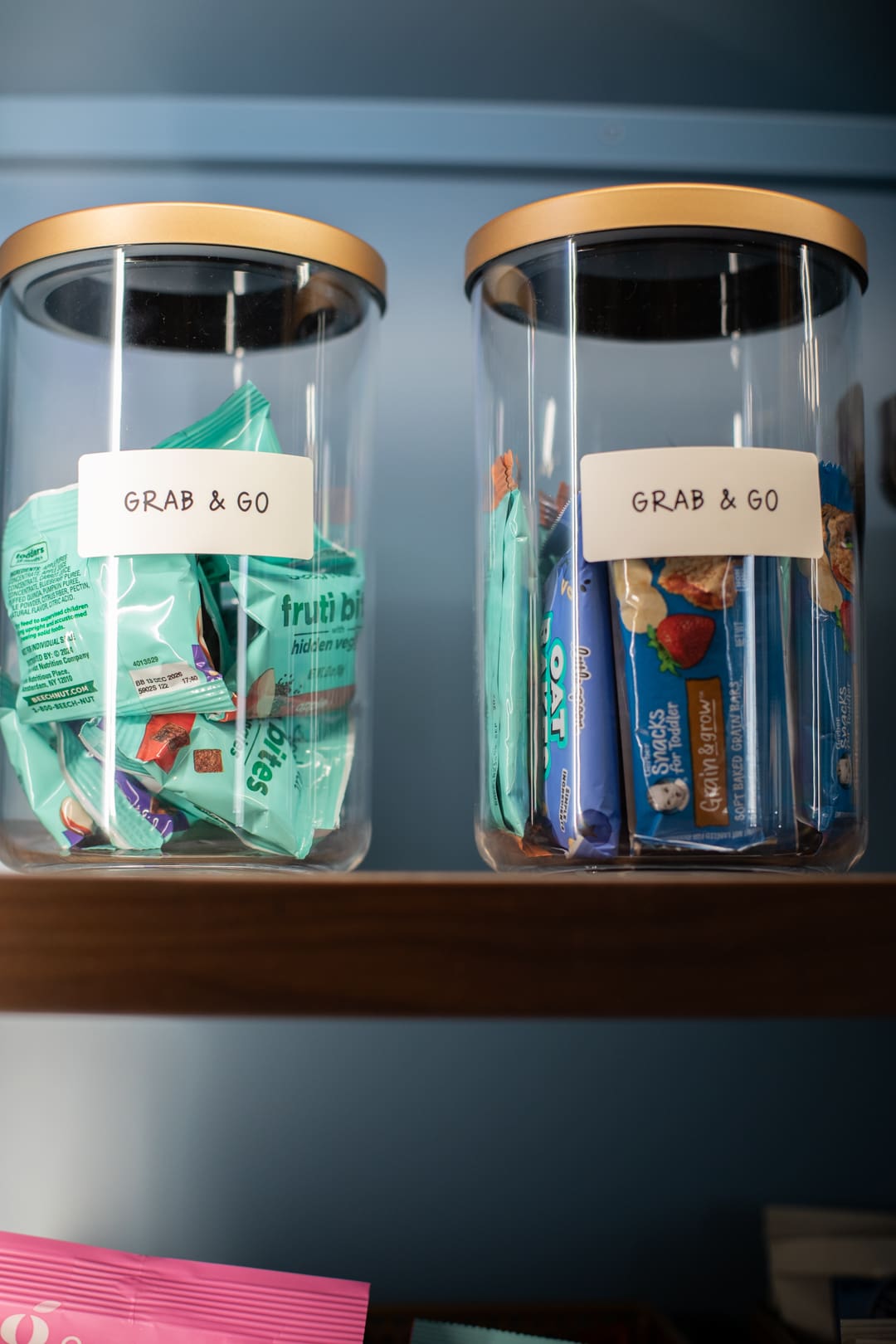
    Pantry

    Paint colors: Sherwin Williams Bracing Storm

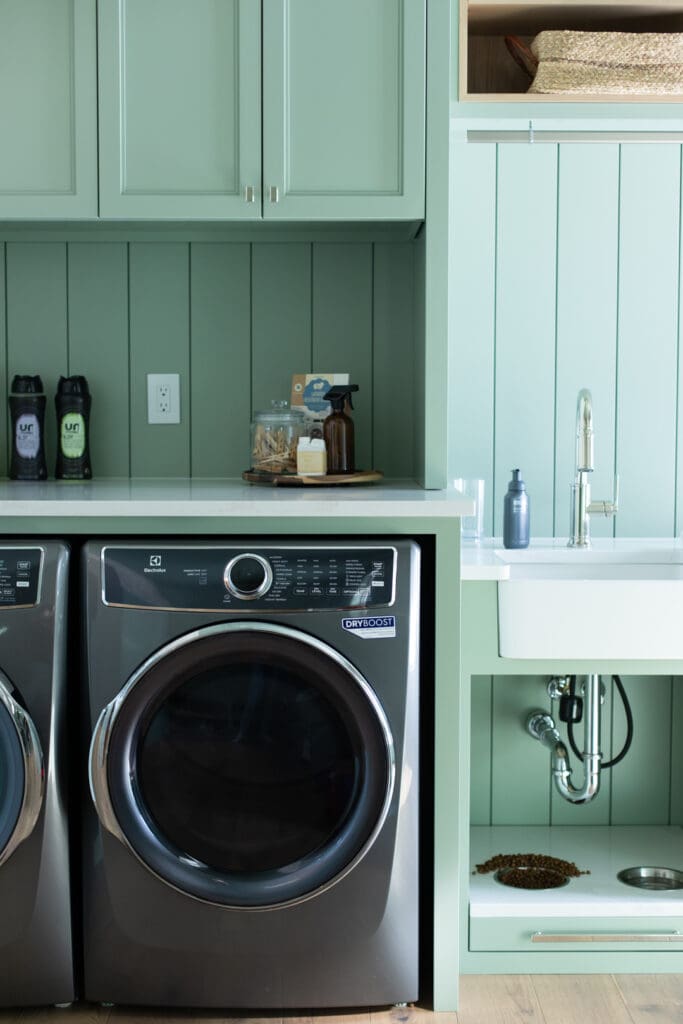
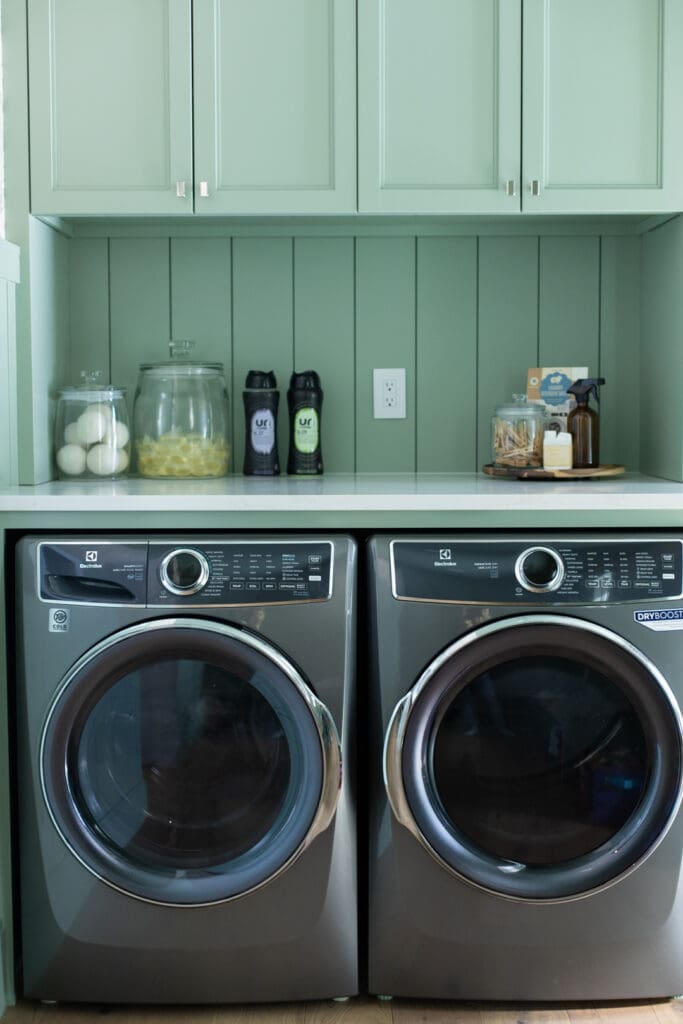
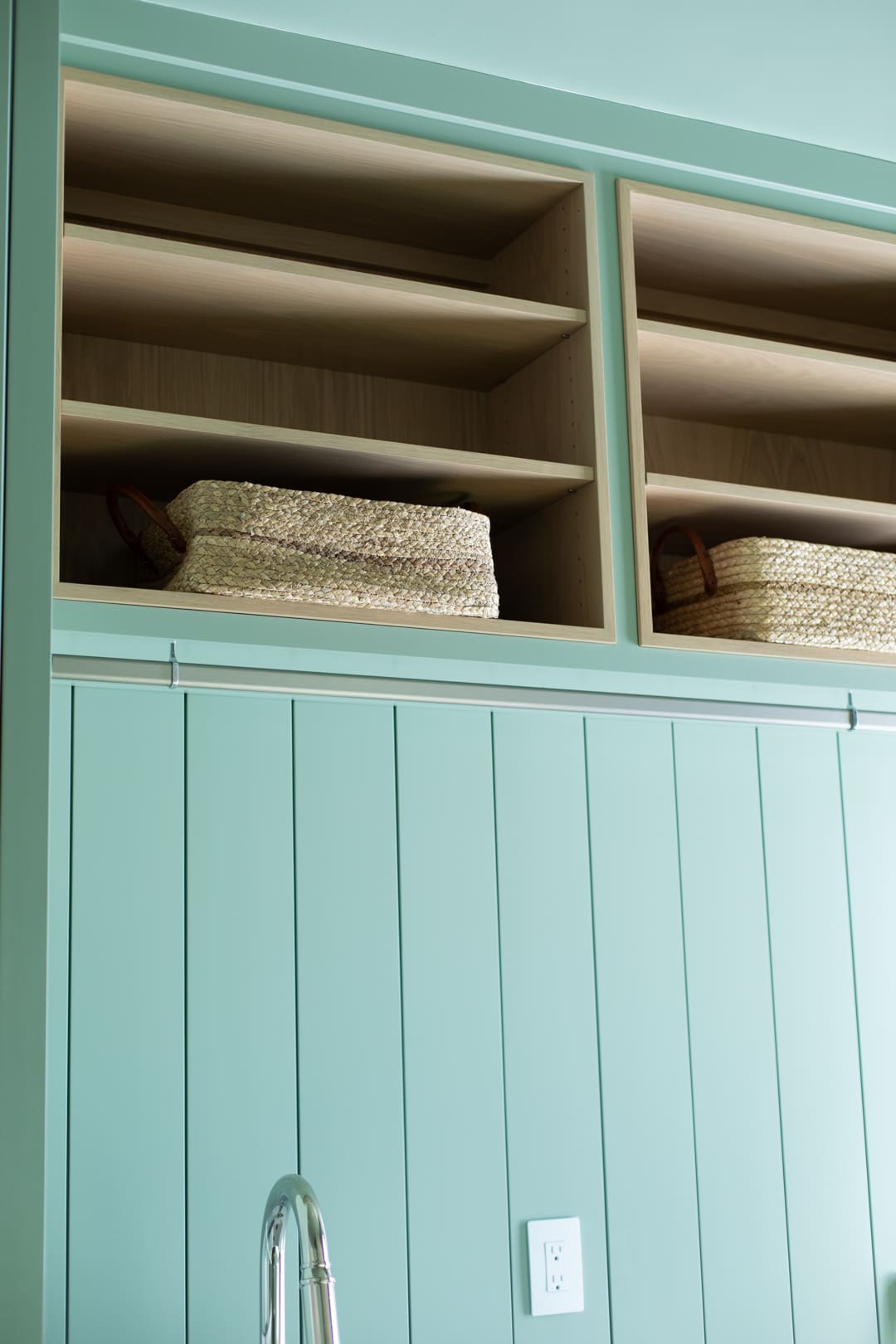
    Laundry Room

    Paint colors: Sherwin Williams Coastal Plain

    Shop the laundry rooms:

    Primary Bedroom

    Paint colors: Sherwin Williams Topsail

    Shop the primary bedroom + bathroom:

    Erin’s Office

    Paint colors: Sherwin Williams Underseas

    Shop Erin’s office:

    Primary Bathroom

    Paint colors: Sherwin Williams Aesthetic White

    Shop the primary bedroom + bathroom:

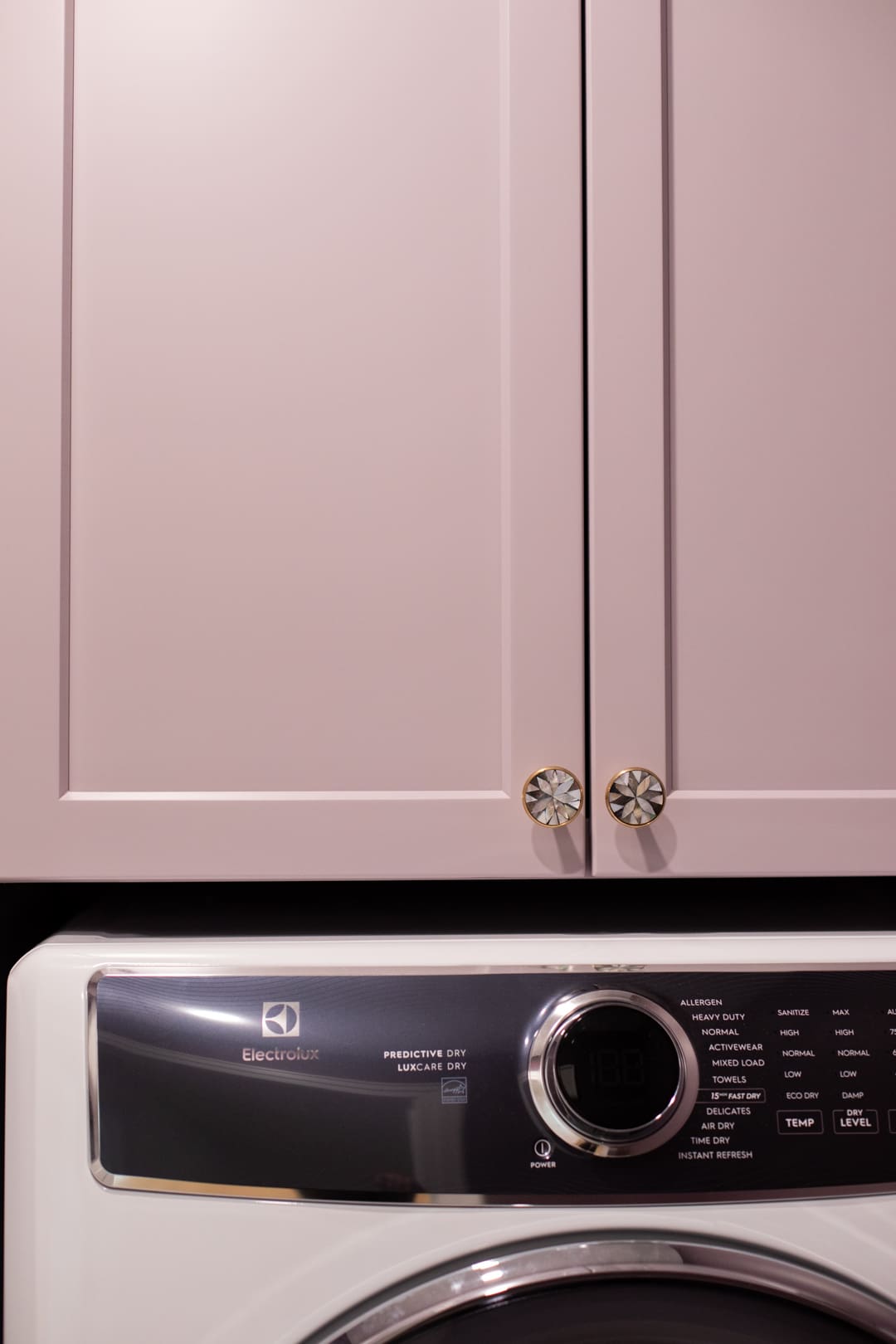
    Upstairs Laundry Room

    Paint Colors: Sherwin Williams Expressive Plum

    Shop the laundry rooms:

    Guest Bedroom

    Paint colors: Sherwin Williams Opaline

    Shop the guest bedroom + bathroom:

    Guest Bathroom

    Paint colors: Sherwin Williams SW 7003 Toque White 

    Shop the guest bedroom + bathroom:

    Playroom

    Crew’s Bedroom

    Paint Colors: Sherwin Williams Blustery Sky

    Shop Crew’s bedroom + bathroom:

    Crew’s Bathroom

    Paint colors: Sherwin Williams Debonair

    Shop Crew’s bedroom + bathroom:

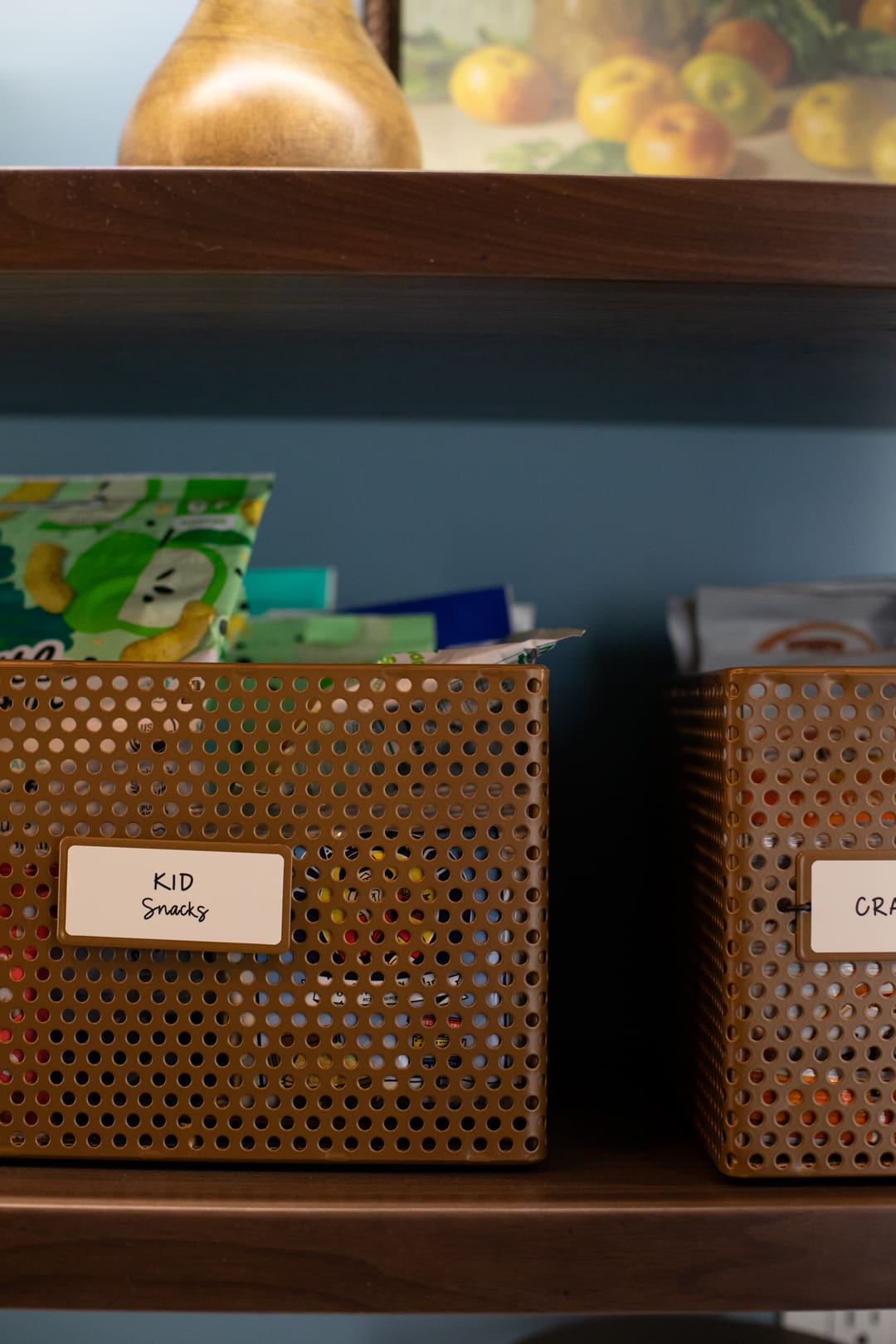
    Kid’s Craft Corner

    Paint colors:

    Shop the kids craft area:

    Basement [photos coming soon!]

    Living Room:

    Bedroom + Bathroom:

    Theater Room:

  • Does Coconut Milk Need to Be Refrigerated? Canned, Carton & Homemade

    🌡 The Short Answer

    Does coconut milk need to be refrigerated? It depends on which type you have and whether it has been opened. Canned coconut milk does not need refrigeration before opening. Shelf-stable carton coconut milk does not need refrigeration before opening either. Refrigerated carton coconut milk must stay cold at all times. And all three types must be refrigerated immediately after opening.

    The rules are simple once you know which type you have. Getting it wrong mostly matters after opening, when all coconut milk becomes perishable regardless of what it was before. For more on storing pantry staples, see our Food Storage Guide.

    Short answer: Canned and shelf-stable carton: no refrigeration needed until opened, then refrigerate immediately and use within 4 to 7 days (canned) or 7 to 10 days (carton). Refrigerated carton: keep cold always, use within 7 to 10 days of opening. Homemade: refrigerate immediately, use within 3 to 5 days.

    How Long Does Coconut Milk Last?

    Type Before Opening After Opening
    Canned (full-fat or light) Pantry, 2 to 5 years Fridge in airtight container, 4 to 7 days
    Shelf-stable carton (unrefrigerated aisle) Pantry, 6 to 12 months Fridge, 7 to 10 days
    Refrigerated carton (dairy case) Fridge always, use by printed date Fridge, 7 to 10 days
    Homemade — Fridge immediately, 3 to 5 days

    The FDA’s safe food handling guidelines advise keeping perishable foods out of the temperature danger zone (40°F to 140°F) and refrigerating opened dairy-alternative products promptly. Once any coconut milk is opened, that guidance applies regardless of how it was stored before.

    đŸ„« Canned Coconut Milk: Pantry Before, Fridge After Opening

    Unopened canned coconut milk is shelf-stable and does not need refrigeration. Store cans in a cool, dark pantry away from heat sources and they will keep for 2 to 5 years. Avoid storing cans near the stove or in an uninsulated space, as heat accelerates quality decline over time.

    Once you open a can, refrigeration is required. Transfer any leftover coconut milk to an airtight container rather than refrigerating it in the original can. Metal from the can lining can leach into the acidic contents once air is introduced, affecting both flavor and quality. A glass jar with a tight lid is ideal. Label it with the opening date and use within 4 to 7 days.

    📩 Shelf-Stable Carton: Same Rules as Canned

    Shelf-stable cartons, the kind sold in the non-refrigerated aisle, use aseptic packaging that keeps coconut milk stable at room temperature for 6 to 12 months. No refrigeration needed until opened.

    Once you open a carton, treat it exactly like opened canned coconut milk: refrigerate, keep sealed, and use within 7 to 10 days. If the carton does not reseal well, transfer the contents to an airtight container.

    🧊 Refrigerated Carton: Keep Cold Always

    Cartons sold in the dairy case have not been aseptically packaged and must stay refrigerated at all times, even before opening. If you bought it cold, keep it cold. Do not leave it on the counter before using.

    After opening, use within 7 to 10 days and keep it stored toward the back of the fridge where temperatures are coldest and most consistent. The general food safety rule applies here: if it has been left at room temperature for more than 2 hours, discard it.

    đŸ„„ Homemade Coconut Milk: Most Perishable

    Homemade coconut milk has no preservatives, no stabilizers, and no commercial processing. It must be refrigerated immediately and used within 3 to 5 days. Store in a sealed glass jar. It will separate quickly, so shake it before each use.

    Do not leave homemade coconut milk at room temperature for any length of time beyond what is needed during preparation. It follows the same 2-hour room temperature limit as other perishable dairy-alternative products.

    🌡 What Happens If Opened Coconut Milk Gets Too Warm

    Opened coconut milk left at room temperature becomes hospitable to bacteria. Do not leave it out for more than 2 hours (or 1 hour if the room is above 90°F). If you used coconut milk in cooking and have leftover milk sitting on the counter, it is still fine to refrigerate and use later as long as it has not exceeded that 2-hour window. Beyond that, discard it.

    ❄ Freezing Coconut Milk to Extend Its Life

    Freezing is a practical option for leftover coconut milk you will not use within the fridge window. The main thing to know is that coconut milk changes texture after freezing and thawing. It becomes grainier and less smooth due to further disruption of the fat-water emulsion. It is still excellent in cooked dishes like curries, soups, and baked goods, but not ideal for smoothies or drinking straight.

    Freeze in an airtight container with room for expansion, or in ice cube trays for easy portioned use. Use within 3 months for best quality. Thaw overnight in the fridge and shake or blend briefly before using.

    ✅ Signs It Is Still Good

    • Smells mildly sweet and nutty, like fresh coconut
    • Off-white to creamy white color
    • Separated layers that recombine after shaking or stirring (normal for canned)
    • No mold, no unusual chunks, no sliminess

    ❌ Signs to Discard

    • Sour, rancid, or fermented smell
    • Yellow, gray, or pinkish discoloration
    • Chunky or slimy texture that does not smooth out after stirring
    • Visible mold anywhere in the container
    • Bulging, rusted, or deeply dented can before opening

    ❓ Frequently Asked Questions

    Can I leave opened canned coconut milk out overnight?
    No. Once opened, coconut milk is perishable and should not sit at room temperature for more than 2 hours. Refrigerate it in an airtight container as soon as you are done using it.

    Can I store opened coconut milk in the fridge in the original can?
    It is not recommended. Metal from the can lining can leach into the acidic contents, affecting flavor and quality. Transfer to an airtight glass or plastic container before refrigerating.

    My canned coconut milk has a solid white layer. Do I need to store it differently?
    No. That solid layer is normal fat separation and does not change how you store it. Before opening, keep the can at room temperature in a cool, dark pantry. After opening, transfer to an airtight container and refrigerate.

    How long can I keep shelf-stable carton coconut milk in the pantry once opened?
    Once opened, a shelf-stable carton is no longer shelf-stable. Refrigerate it immediately and use within 7 to 10 days. The pantry is not appropriate storage after the seal is broken.

    Does coconut cream follow the same rules?
    Yes. Coconut cream is a higher-fat version of canned coconut milk and follows identical storage rules. Unopened cans go in a cool, dark pantry. Opened: transfer to an airtight container in the fridge and use within 4 to 7 days.

    Can I refrigerate an unopened can of coconut milk?
    Yes, though it is not necessary. Cold temperatures cause the fat to harden further, making the cream layer very solid. This does not harm the product, but let it come to room temperature before opening if you store it in the fridge.

    🧂 Related Food Storage Guides

    🍳 Recipes That Use Coconut Milk

    The post Does Coconut Milk Need to Be Refrigerated? Canned, Carton & Homemade appeared first on Better Living.

  • Does Coconut Milk Go Bad? Shelf Life, Spoilage Signs & Storage Tips

    đŸ„„ The Short Answer

    Does coconut milk go bad? Yes, all types do, but how quickly depends on which kind you have and whether it has been opened. Canned coconut milk is one of the most shelf-stable items in your pantry when sealed. Once opened, it is more perishable than most people expect. Carton coconut milk has a shorter shelf life overall, and homemade coconut milk is the most perishable of all.

    The most important thing to know upfront: the thick, solid layer that forms on top of canned coconut milk is not spoilage. It is normal fat separation. More on that below, because it is the single most common reason people throw out perfectly good coconut milk. For a broader look at how to store pantry staples, see our Food Storage Guide.

    Short answer: Unopened canned coconut milk lasts 2 to 5 years in the pantry. Opened canned keeps 4 to 7 days in the fridge. Shelf-stable cartons last 6 to 12 months unopened and 7 to 10 days once opened. Refrigerated cartons follow the printed date and should be used within 7 to 10 days of opening. Homemade lasts 3 to 5 days refrigerated.

    How Long Does Coconut Milk Last?

    Type Unopened Opened (refrigerated)
    Canned (full-fat or light) 2 to 5 years at room temp 4 to 7 days
    Shelf-stable carton (unrefrigerated aisle) 6 to 12 months; often 3 to 4 weeks past best-by 7 to 10 days
    Refrigerated carton (dairy case) Use by printed date 7 to 10 days
    Homemade — 3 to 5 days
    Frozen (any type, opened) — Up to 3 months

    According to StillTasty, which compiles shelf life data from USDA sources and food manufacturers, an unopened can of coconut milk will generally stay at best quality for 18 to 24 months, though it typically remains safe to use well past that date when properly stored and the can shows no damage.

    đŸ«™ Canned vs Carton: Why Storage Differs

    These two products behave very differently and should not be treated the same way.

    Canned coconut milk is thick, high in fat, and made with very few ingredients: typically coconut, water, and sometimes guar gum as a stabilizer. It is shelf-stable for years when sealed because of the airtight can and the low water activity created during processing. Once opened, it must be used quickly.

    Carton coconut milk is a thinner, diluted product designed as a dairy milk substitute. It contains additional stabilizers, preservatives, and often added vitamins and minerals. Shelf-stable cartons, found in the non-refrigerated aisle, are processed using aseptic packaging and last 6 to 12 months. Refrigerated cartons, in the dairy case, are not shelf-stable and should be treated like dairy milk: keep cold and use by the printed date.

    🌡 Separation vs Spoilage: The Most Important Distinction

    This is the single most important section on this page.

    Canned coconut milk naturally separates into two layers: a thick, solid white cream on top and a thinner watery liquid below. This happens because coconut milk’s saturated fats solidify at room temperature and especially in the fridge. It is completely normal and is not a sign that the milk has gone bad.

    To use, shake the can well before opening, or warm the contents gently and stir. The layers will recombine into a smooth, creamy liquid.

    What you are looking for to identify actual spoilage is different from separation: a sour smell, off color, sliminess, or mold. If the milk separates but smells clean and mildly sweet, it is fine. If it smells sour or looks gray or yellow, discard it.

    đŸš« The Storage Mistake That Speeds Up Spoilage

    Do not store leftover coconut milk in the open can. Metal from the can lining can leach into the acidic contents once air is introduced, affecting both flavor and quality over time. Transfer opened coconut milk to an airtight glass or plastic container before refrigerating. Label it with the date you opened it so you know where you stand in the 4-to-7-day window.

    🔍 How to Tell If Coconut Milk Has Gone Bad

    Smell is the most reliable indicator. Check in this order:

    • Smell: Sour, rancid, fermented, or otherwise unpleasant. Fresh coconut milk smells mildly sweet and nutty. Any off odor means discard.
    • Color: Should be off-white to creamy white. Yellow, gray, or pinkish tints indicate oxidation or microbial growth and the milk should be discarded.
    • Texture: Chunky, slimy, or curdled texture that does not smooth out after shaking or stirring is a spoilage sign. Normal separation does mix back together.
    • Mold: Any visible mold means discard the entire container immediately.
    • Can condition: A bulging, rusted, or deeply dented can indicates the seal may be compromised. Discard without opening.

    Normal and not spoilage:

    • Thick solid cream layer on top of canned coconut milk: normal fat separation, shake or stir to recombine
    • Watery layer at the bottom of a canned or carton product: also normal separation
    • Mild natural variation in whiteness between cans: different batches and fat content

    ❄ Can You Freeze Coconut Milk?

    Yes, though there is a texture trade-off. Frozen coconut milk tends to become grainy or gritty after thawing because freezing further disrupts the fat-water emulsion. It is still perfectly usable in cooked dishes like curries, soups, and sauces where texture blends into the dish. It is not ideal for drinking or for recipes where smooth, creamy texture matters.

    To freeze, transfer to an airtight container or ice cube tray, leaving room for expansion. Use within 3 months for best quality. Thaw overnight in the fridge and shake or blend briefly before using.

    ❓ Frequently Asked Questions

    Can I use canned coconut milk past its best-by date?
    Unopened cans that are stored properly and show no damage are often still good months or even years past the printed date. The best-by date is a quality marker, not a safety cutoff. When you open it, check the smell, color, and texture. If it passes all three, it is fine to use.

    There is a solid white layer in my can. Is it ruined?
    No. That is coconut cream that has solidified due to fat separation, which is completely normal. Shake the can well before opening, or scoop everything into a pan and warm gently while stirring. It will smooth out.

    How long does coconut milk last after opening?
    Canned coconut milk lasts 4 to 7 days in the fridge after opening, stored in an airtight container rather than the original can. Carton coconut milk lasts 7 to 10 days after opening.

    My opened coconut milk has been in the fridge for 10 days. Is it safe?
    Check the smell first. If it smells sour or off, discard it. If it smells clean and passes the color and texture checks, it may still be okay, but at 10 days it is at the outer edge of the safe window. When in doubt, throw it out.

    Can coconut milk make you sick if it has gone bad?
    Yes. Spoiled coconut milk can harbor bacteria that cause foodborne illness. Do not taste-test suspicious coconut milk. Rely on smell, color, and texture as your indicators instead.

    Why does my coconut milk smell slightly sour right out of the can?
    Some brands use citric acid as a preservative, which can give a faint acidic note. If the smell is mildly tangy but not rancid or fermented, and the color and texture look normal, it is likely fine. If the smell is strongly sour or unpleasant, discard it.

    Can I freeze coconut milk in the original carton?
    No. Liquids expand when frozen and cartons are not designed for this. Transfer to a freezer-safe airtight container with headspace for expansion. Ice cube trays work well for smaller portions.

    🧂 Related Food Storage Guides

    🍳 Recipes That Use Coconut Milk

    The post Does Coconut Milk Go Bad? Shelf Life, Spoilage Signs & Storage Tips appeared first on Better Living.


  • DĂ©jĂ  Vu Brings Summer Vibes and BIG Impact

    Déjà Vu Brings Summer Vibes and BIG Impact

    Images by Downtown Photo

    More than 350 stylish supporters gathered poolside for Big Brothers Big Sisters of Broward County’s 22nd annual DĂ©jĂ  Vu: Drift Away to Summer, raising nearly $400,000 to support life-changing youth mentoring programs.

    Held on the Guitar Hotel pool deck at the Seminole Hard Rock Hotel & Casino Hollywood, the evening delivered a breezy summer escape. Guests arrived in chic seasonal attire and passed through a glowing tunnel before stepping onto the pool deck for a lively cocktail reception with gourmet food stations and festive drinks. The iconic Guitar Hotel glowed green in honor of Big Brothers Big Sisters, setting the tone for a night filled with music, philanthropy, and celebration.

    The highlight was a private poolside concert by multi-platinum artist Uncle Kracker, whose hits had guests singing and dancing under the stars.

    “I’m incredibly grateful to our honorees and supporters who believe in the power of mentorship,” said Malena Mendez, president and CEO of Big Brothers Big Sisters of Broward County. “Their leadership helps us expand opportunities and create brighter futures for local youth.”

    The evening was co-chaired by Traci Miller of Miller Construction and Nicky Tesser of JetBlue. Guests also participated in a high-energy live auction and explored silent auction items benefiting mentoring programs.

    Several community leaders were honored for their dedication to Broward youth. Manuel “Manny” Catedral received the Champion of Children Award for his mentorship through the BIG Futures program. Southern Glazer’s Wine & Spiritsearned the Impact Award for supporting student mentorship. Longtime board member Dawn Stagliano received the Legacy Award for more than 15 years of service.

    The organization also inducted Delrish Moss, chief of police for the City of Miramar, into its Alumni Hall of Fame for his leadership of the Bigs with Badges program and lifelong commitment to mentorship.

    Proceeds from the evening will help Big Brothers Big Sisters of Broward County continue connecting local youth with mentors who inspire brighter futures.

    The post Déjà Vu Brings Summer Vibes and BIG Impact appeared first on Lifestyle Media Group.

  • A violinist!

    A violinist!

    There was a man named Prem who played a violin.

    For his beloved girlfriend.

    To express his feelings for her.

    Prem and his girlfriend met at a violin concert.

    From there their love story started!

  • Do Sun-Dried Tomatoes Go Bad? Shelf Life, Spoilage Signs & Storage Tips

    🍅 The Short Answer

    Do sun-dried tomatoes go bad? Yes, but the timeline depends almost entirely on what type you have and how you store them. Dry-packed sun-dried tomatoes are among the most shelf-stable pantry ingredients you can own. Oil-packed ones are more perishable once opened, and homemade versions in oil carry a food safety consideration that most storage guides skip entirely.

    Understanding the difference between the two types is the most important thing here. They behave very differently in storage, and the rules for one do not apply to the other. For a broader look at how to store pantry condiments and staples, see our Food Storage Guide.

    Short answer: Unopened dry-packed sun-dried tomatoes last 9 to 12 months at room temperature and up to 2 years refrigerated. Unopened oil-packed jars last 1 to 2 years in the pantry. Once opened, oil-packed must be refrigerated and used within 6 months. Dry-packed opened keep 6 to 9 months in an airtight container.

    📅 Sun-Dried Tomato Shelf Life at a Glance

    Type & Condition Pantry Refrigerator
    Dry-packed, unopened 9 to 12 months Up to 2 years
    Dry-packed, opened 6 to 9 months (airtight container) Up to 1 year
    Oil-packed, unopened 1 to 2 years Beyond best-by date; quality declines over time
    Oil-packed, opened Not recommended Up to 6 months
    Homemade in oil (plain, fully dried, no garlic or fresh herbs) Up to 6 months if fully dried 1 to 2 months after opening
    Homemade in oil with garlic or fresh herbs Not safe — refrigerate only 4 days maximum
    Frozen (either type) — Up to 1 year

    đŸ«™ Dry-Packed vs Oil-Packed: Why It Matters

    Dry-packed sun-dried tomatoes are sold in bags or vacuum-sealed pouches and look like dried fruit: leathery, shrunken, and intensely colored. Because nearly all their moisture has been removed during drying, there is very little water available for mold or bacteria to grow. This makes them remarkably shelf-stable. Stored in a cool, dark pantry in an airtight container after opening, they will stay good for the better part of a year.

    Oil-packed sun-dried tomatoes are softer, already partially rehydrated, and submerged in olive oil, often with garlic, herbs, or other seasonings. The oil creates an anaerobic (low-oxygen) environment that extends shelf life when sealed but requires careful handling once opened. Once air gets into the jar, the clock starts. They must be refrigerated and kept fully submerged in oil at all times.

    ⚠ The Food Safety Warning Most Guides Skip

    This section matters most for anyone making sun-dried tomatoes at home or adding fresh ingredients to a store-bought jar.

    Clostridium botulinum, the bacterium that produces botulism toxin, thrives in anaerobic (low-oxygen) environments like oil. Fully dried tomatoes on their own are acidic enough to provide some protection in that environment. But adding fresh garlic, fresh herbs, or other low-acid ingredients to a jar of oil creates conditions where botulism can develop.

    The Oregon State University Extension Service is explicit on this point: dried tomatoes packed in oil with garlic or herbs must be refrigerated and used within 4 days. The National Center for Home Food Preservation (NCHFP) recommends against storing any homemade tomatoes in oil, noting that oil can protect botulism organisms trapped in water droplets even when other conditions appear safe.

    Commercial oil-packed sun-dried tomatoes are produced under controlled pH and processing conditions that address this risk. The 4-day rule applies to homemade preparations and to store-bought jars where fresh garlic or fresh herbs have been added after opening.

    🌡 A Normal Thing People Mistake for Spoilage: Solidified Oil

    This is the most common reason people throw out perfectly good oil-packed sun-dried tomatoes. When refrigerated, olive oil solidifies. The jar will look cloudy, opaque, or waxy, and the oil may form small white beads or crystals around the tomatoes. This is completely normal: it is the natural physical behavior of olive oil at cold temperatures.

    To use, remove the jar from the fridge and let it sit at room temperature for 20 to 30 minutes. The oil will return to liquid and the tomatoes will be easy to remove. Bella Sun Luci, one of the leading commercial producers of oil-packed sun-dried tomatoes, confirms this is an expected and natural process and not a sign of spoilage.

    🔍 How to Tell If Dry-Packed Tomatoes Have Gone Bad

    The main enemies of dry-packed sun-dried tomatoes are moisture and age. If they were stored somewhere humid or the bag seal was broken and exposed to air for a long time, quality declines noticeably:

    • Visible mold: white, green, or fuzzy growth on the surface
    • Slimy or unusually wet texture (moisture got in)
    • Sour, fermented, or off smell that is distinct from the normal concentrated tomato aroma
    • Extremely hard, brittle texture with no pliability at all
    • Insects or evidence of pantry pests in the bag

    Slight hardening over time is not automatic spoilage. Dry-packed tomatoes can be rehydrated in warm water or broth for 20 to 30 minutes to restore their texture. If they smell off or show any mold, discard them.

    🔍 How to Tell If Oil-Packed Tomatoes Have Gone Bad

    • Visible mold on the tomatoes or on any part sitting above the oil
    • Bubbling or fizzing in the jar: a sign of yeast or bacterial activity, discard immediately
    • Sour, rancid, or fermented smell that does not resemble normal olive oil or tomatoes
    • Slimy film on the surface of the oil or on the tomatoes
    • Rancid-tasting oil: the oil itself can go off even if the tomatoes look fine

    Normal and not spoilage:

    • Solidified, cloudy, or opaque oil in the fridge: this is just cold olive oil behaving normally
    • Darker color on the tomatoes compared to when you first opened the jar: normal oxidation
    • Oil that has taken on a reddish or orange tint: the tomatoes have infused it, and that oil is excellent for cooking

    đŸ«™ The Key Storage Rule for Oil-Packed: Keep Them Submerged

    Any tomato sitting above the oil line and exposed to air is at risk of mold. Every time you use some, check that the remaining tomatoes are fully covered. If the level drops, top up the jar with fresh olive oil before returning it to the fridge. This one habit makes the difference between a jar that lasts 6 months and one that grows mold at 6 weeks.

    Always use a clean, dry utensil when removing tomatoes. Never use fingers or a wet spoon. Introducing water into an oil-packed jar is one of the fastest ways to cause early spoilage.

    ❓ Frequently Asked Questions

    Can you eat sun-dried tomatoes that have turned very dark?
    Dry-packed tomatoes naturally darken over time due to oxidation. A very dark brownish-red color is normal and does not mean they are bad. Smell them first. If they still smell like concentrated tomatoes, they are fine to eat.

    My dry-packed tomatoes have gone very hard. Are they ruined?
    Not necessarily. Hardening happens when moisture has been drawn out further over time. Try rehydrating a few in warm water for 20 to 30 minutes. If they soften and smell normal, they are fine to use. If they do not rehydrate or smell off, discard them.

    Can I use the oil from an oil-packed jar?
    Yes. The tomato-infused oil is excellent in salad dressings, as a pasta finish, or for sautéing aromatics. Use it while the jar is within its window and the oil smells fresh. Do not use oil that has gone rancid even if the tomatoes still look okay.

    How long do sun-dried tomatoes last after the best-by date?
    Dry-packed varieties are often fine 3 to 6 months past the printed date if stored properly and the bag was never opened. Oil-packed unopened jars can be fine 6 to 12 months past the date. Once opened, follow the type-specific storage guidelines above rather than the printed date.

    Can I freeze sun-dried tomatoes?
    Yes. Dry-packed tomatoes freeze well in a sealed freezer bag with air removed for up to a year. For oil-packed, remove from the oil, pat dry, and freeze in a single layer before transferring to a container. Both thaw quickly at room temperature.

    What does it mean if my oil-packed jar is bubbling?
    Bubbling or fizzing is a sign of active fermentation: yeast or bacterial growth in the jar. Discard immediately without tasting.

    I added fresh garlic to my oil-packed jar. Is it still safe?
    Only if you refrigerate it immediately and use it within 4 days. Fresh garlic in oil at room temperature creates conditions where botulism can develop. The Oregon State University Extension Service is explicit about this rule. Refrigerate and use within 4 days, or discard.

    🧂 Related Food Storage Guides

    🍳 Recipes That Use Sun-Dried Tomatoes

    The post Do Sun-Dried Tomatoes Go Bad? Shelf Life, Spoilage Signs & Storage Tips appeared first on Better Living.

  • Do Sun-Dried Tomatoes Need to Be Refrigerated? Full Storage Guide

    🌡 The Short Answer

    Do sun-dried tomatoes need to be refrigerated? It depends on the type. Dry-packed sun-dried tomatoes do not need refrigeration before or after opening. Oil-packed sun-dried tomatoes do not need refrigeration before opening, but must be refrigerated once the seal is broken. Homemade sun-dried tomatoes in oil follow stricter rules depending on what else is in the jar.

    Getting this wrong in either direction causes problems. Leaving oil-packed open at room temperature risks spoilage and a potential food safety issue. Over-refrigerating dry-packed tomatoes is not harmful but can introduce moisture if the container is not well sealed. For a broader look at storing pantry staples, see our Food Storage Guide.

    Short answer: Dry-packed: no refrigeration needed, opened or unopened. Oil-packed unopened: pantry is fine. Oil-packed opened: refrigerate immediately, keep tomatoes submerged in oil, use within 6 months.

    📋 Sun-Dried Tomato Storage Quick Reference

    Type Unopened After Opening
    Dry-packed (bag or pouch) Cool, dark pantry — no fridge needed Airtight container, pantry or fridge — 6 to 9 months
    Oil-packed (commercial jar) Pantry — no fridge needed Refrigerate — up to 6 months, keep submerged in oil
    Homemade in oil (plain, fully dried, no garlic or fresh herbs) Cool, dark place if fully dried — up to 6 months Refrigerate — 1 to 2 months
    Homemade in oil with garlic or fresh herbs Refrigerate immediately — 4 days maximum Refrigerate — 4 days maximum

    🛍 Dry-Packed: No Refrigeration Required

    Dry-packed sun-dried tomatoes have had nearly all their moisture removed during the drying process. Without moisture, there is very little for mold or bacteria to grow on, which makes them stable at room temperature for months.

    Store unopened bags in a cool, dark pantry away from heat sources. After opening, transfer to an airtight container and return to the pantry or a kitchen cabinet. The goal is to keep moisture out: that is the only real threat to dry-packed tomatoes. A humid cabinet near the stove or sink is worse for storage than a slightly warmer but drier shelf.

    Refrigerating dry-packed tomatoes is not harmful, but it is unnecessary and has a small downside. Condensation can form when you take the container in and out of the fridge, introducing the moisture you are trying to avoid. If you do refrigerate them, make sure the container is very well sealed.

    đŸ«™ Oil-Packed: Refrigerate After Opening

    Unopened commercial jars of oil-packed sun-dried tomatoes are shelf-stable and do not need refrigeration. The oil barrier, the tomatoes’ natural acidity, and commercial processing make them stable in a pantry for 1 to 2 years.

    Once you open the jar, refrigeration is necessary. The seal is broken, air can reach the tomatoes, and the conditions that made the jar shelf-stable no longer fully apply. Bella Sun Luci, one of the leading commercial producers, is explicit: all their oil-packed products must be stored in the refrigerator once opened and used within 6 months.

    The single most important habit for an opened oil-packed jar: keep the tomatoes submerged in oil at all times. Any tomato sitting above the oil line and exposed to air is at risk of mold growth. Top up the jar with fresh olive oil whenever the level drops before returning it to the fridge.

    🧊 Why the Oil Solidifies in the Fridge (And Why That’s Fine)

    Olive oil solidifies at cold temperatures. When you refrigerate an oil-packed jar, the oil will turn cloudy, opaque, or waxy, and may form small white beads or crystals around the tomatoes. This is not spoilage: it is the natural physical behavior of olive oil below around 50°F.

    To use, remove the jar from the fridge 20 to 30 minutes before you need it. The oil will return to liquid at room temperature and the tomatoes will be easy to retrieve. If you want the oil to stay more pourable, store the jar in the door of the fridge, which runs slightly warmer than the middle shelves.

    ⚠ Homemade Sun-Dried Tomatoes in Oil: Stricter Rules

    Commercial oil-packed sun-dried tomatoes are produced under controlled conditions that manage pH and moisture to prevent bacterial growth. Homemade versions do not have these controls, so the storage rules are different and in one specific case much stricter.

    Plain homemade (no garlic, no fresh herbs): Fully dried tomatoes packed in plain olive oil can be stored at room temperature for up to 6 months if the tomatoes were dried until completely leathery with no remaining moisture. The tomatoes’ acidity provides some protection. Refrigerate after opening and use within 1 to 2 months.

    With fresh garlic or fresh herbs: Fresh garlic and fresh herbs in oil create an anaerobic (low-oxygen) environment that can support Clostridium botulinum, the bacterium that produces botulism toxin. The Oregon State University Extension Service is explicit: dried tomatoes in oil with fresh garlic or herbs must be refrigerated and used within 4 days. The National Center for Home Food Preservation recommends against storing any homemade tomatoes in oil, noting that oil can protect botulism organisms trapped in water droplets even when conditions otherwise appear safe.

    If you want to flavor your oil-packed tomatoes with garlic, use dried garlic powder rather than fresh, or refrigerate and use within 4 days. The 4-day rule applies to homemade preparations only. Commercial jars with garlic listed in the ingredients have been processed to control for this risk.

    🌡 Best Fridge Storage Practices for Oil-Packed

    Use a clean, dry utensil every time. Never use fingers or a wet spoon. Water introduced into an oil-packed jar gives mold something to grow on and dramatically shortens the jar’s life.

    Keep tomatoes submerged. Check the oil level every time you use the jar. Top up with fresh olive oil if needed before putting the jar back in the fridge.

    Do not return drained oil to the jar. Oil that has been poured out and exposed to other ingredients should not go back in. Only add fresh olive oil to top up the level.

    ✅ Signs Your Stored Sun-Dried Tomatoes Are Still Good

    • Dry-packed: pliable or slightly firm, deep red-brown color, concentrated tomato smell
    • Oil-packed: tomatoes fully submerged, oil clear at room temperature (or solidified in fridge: normal), no bubbling
    • Both: rich, slightly sweet, tangy concentrated tomato aroma
    • No visible mold anywhere in the jar or bag

    ❌ Signs to Discard

    • Visible mold on tomatoes or inside the jar
    • Bubbling or fizzing in an oil-packed jar: discard immediately without tasting
    • Slimy film on tomatoes or oil surface
    • Rancid, sour, or fermented smell
    • Dry-packed tomatoes that are wet, sticky, or have a musty smell

    ❓ Frequently Asked Questions

    Can I leave oil-packed sun-dried tomatoes out overnight after opening?
    A few hours at room temperature while cooking is fine. Leaving them unsealed on the counter overnight is not recommended. The bigger concern is not a single night at room temperature but ongoing air and moisture exposure over weeks.

    My oil-packed jar has been in the fridge for 8 months. Is it still good?
    Check the smell first. If the oil smells fresh and the tomatoes look and smell normal with no mold, it may still be okay. Six months is a quality guideline, not a hard cutoff, but at 8 months inspect carefully and trust your senses.

    Can I store dry-packed tomatoes in the freezer?
    Yes. Sealed in a freezer bag with air removed, they last up to a year with no quality loss. Thaw at room temperature for 20 minutes or rehydrate directly from frozen in warm water.

    The oil in my jar has gone very dark red. Is that spoilage?
    No. This is the tomatoes infusing their color into the oil over time. Dark red or orange-tinted oil is normal and desirable. The infused oil is excellent for cooking. If the oil smells rancid rather than tomatoey, that is a separate issue.

    I store my oil-packed jar in the pantry after opening. Is that okay?
    For commercial jars, a few days at room temperature is unlikely to cause a problem but is not recommended. Over weeks, the risk of mold grows significantly. Refrigerating after opening gives you a 6-month window instead of a much shorter and riskier pantry window.

    🧂 Related Food Storage Guides

    🍳 Recipes That Use Sun-Dried Tomatoes

    The post Do Sun-Dried Tomatoes Need to Be Refrigerated? Full Storage Guide appeared first on Better Living.

  • “I Chose To Stay Home With The Kids. Now I’m Freaking Out.”

    “I Chose To Stay Home With The Kids. Now I’m Freaking Out.”

    I Chose To Stay Home With The Kids. Now I'm Freaking Out.

    A few months ago, we asked you what money questions are on your mind. We got nearly a thousand responses, and one theme that came up over and over was the financial trickiness of being a stay-at-home parent.
 Read more

    The post “I Chose To Stay Home With The Kids. Now I’m Freaking Out.” appeared first on Cup of Jo.

  • Is Analog the Future?

    Is Analog the Future?

    The future is analog!

    Doesn’t that sound backwards? But have you heard of this?

    On Friday I attended a neighborhood gathering. The beautiful warm weather has a grip on us all and encouraged a large attendance for the snack and chat event.

    I ended up speaking with some of my favorite ladies that are in a life stage beyond mine and had a downright wonderful time as we discussed hobbies. It wasn’t an intentional discussion on hobbies but the conversation naturally wove through garden prep to sourdough to needlepoint and antique shops. We have a lot of things we enjoy in common!

    One woman even mentioned that her daughter taught her a new trending word for all these hobbies she enjoys- analogging.

    .

    Have you heard of this?

    I’ve heard the term “grandma hobbies” and “going analog” but whatever you call it, I’ve also witnessed an increased trend in these hands-on, non-digital based ways to spend time. Analog hobbies help break the dependency on screen based entertainment and the “doom scrolling” that is so easy to fall victim to these days. And I am here for it!

    What are Analog Hobbies?

    • Cooking and baking
    • Gardening
    • Needlepoint, knitting, crocheting, sewing
    • Reading books
    • Coloring
    • Junk journaling
    • Jigsaw puzzles
    • Walking and hiking
    • Crossword puzzles or sudoku

    I would like to add blog reading and Substack to the list because even though it’s digital, it feels more analog to me check to in on someone’s life and thoughts through a written medium. I might even add phone calls or Marco Polo because those methods of connection I’ve found to be very fulfilling.

    I do think it’s funny that this is trending though. I thought it was something I was just being drawn to in my own life, but it’s neat to hear that I’m not the only one experiencing digital fatigue and finding respite in slower living. It really does feed the soul.

    Going analog isn’t about going full on Little House on the Prairie, but it is about finding something to reach for beyond a screen. It’s about rediscovering the satisfaction and peace that comes with accomplishing something with your own two hands: a meal, a piece of art, a cozily decorated spot in your home, a plant thriving, a completed puzzle, a clean chicken coop (just me?).

    And with that, I’m off to feed my starter!

    Have you heard of this trend?
    Is there any analog hobbies you’ve rediscovered peace and joy with lately?

  • Are the Relentless Consumer Surveys Annoying You?

    Are the Relentless Consumer Surveys Annoying You?

    Feedback fatigue is a real thing.

    “How was your purchase?” “How was your return?” “How was your meal?” “Did the staff smile?” If it feels like every transaction now comes with a request for feedback, you’re not imagining it. Businesses increasingly rely on customer surveys to measure satisfaction and loyalty, and consumers are being asked to respond to them everywhere—from restaurants and retailers to doctors’ offices and repair shops. The problem is that the volume of these requests is beginning to overwhelm the very people they are meant to learn from.

    I rarely respond to a request for feedback, but I feel guilty when I delete it.  I am one of many consumers who read the reviews of products and restaurants, so I understand their importance. It’s not that I don’t want to help the businesses, it’s that I am short on time, and there are so many surveys. I also don’t want to give them more information about me.  Questions like “how likely are you to return to this restaurant?’ or ‘how often do you buy shoes?’ unnerve me. The other aspect of the reviews is you don’t know how long the survey is, and I feel stuck when I’ve already invested thoughtful time on the first 7 questions, and then discover I’m only halfway through.

    Survey fatigue or survey exhaustion is a common response from consumers who feel relentlessly requested to complete surveys about their recent transactions.  Consumer patience with the surveys has been waning for over a decade. Survey requests doubled between 2023 and 2025, making consumers ignore, delete, or mark the surveys as spam. The result for businesses is poor data quality, low response rates, and consumers potentially abandoning the brand.

    Sometimes the business can be downright annoying in their pursuit of a review. That approach is backfiring and causing many customers to reduce their use of the offending company.  As a result, businesses are also slowing down their pursuit of reviews, and that’s a good thing.

    How many surveys are out there?  One small company that conducts and analyzes electronic surveys says it completes more than 60 million annually.  And there are many other small and large firms doing the same work!

    Why all the surveys?  Businesses want to lock in customer loyalty. They think surveys will allow them to learn about their customers and how the business can please them.  The question is, are the surveys giving businesses the wrong information about consumers??

    Survey response rates are declining, but even when customers do complete the surveys, research is showing that their results are not reliable.  Consumers often make irrational purchases, but when they complete surveys, they are thoughtful and not impulsive. That does not give businesses future predictions of their purchases.

    • Approximately 23% of customers have stopped doing business with a brand specifically because it sent too many surveys.
    • When fatigued, only the most “extremely” satisfied or dissatisfied customers respond, creating a biased data set that misses the “silent majority”.
    • Respondents who do participate often “straight-line” (select the same answer for everything) or rush through to finish, making the resulting insights unreliable.
    • Frequent requests can make a brand appear intrusive, unprofessional, and indifferent to the customer’s time.
    • If given the opportunity to add information, customers should let the business know they send too many surveys.

    What can businesses do to alleviate survey fatigue?

    • Respect customer time. Be selective and do not ask for feedback after every transaction.
    • Aim for under 5 minutes and 5-10 questions.
    • Rely on actual customer actions rather than just asking opinions.
    • Ask relevant, targeted questions based on the specific experience.
    • Show customers how their feedback led to improvements.
    • Leverage social media monitoring or unsolicited feedback instead of formal surveys.


    For a laugh, watch this Saturday Night Live skit with Jake Gyllenhaal dealing with customer service. (note:  it’s rated R)


    The post Are the Relentless Consumer Surveys Annoying You? appeared first on Sharp Eye.