Category: Uncategorized

  • Does Sriracha Need to Be Refrigerated? Full Storage Guide

    ❄ The Short Answer

    Does sriracha need to be refrigerated? No, sriracha does not require refrigeration, even after the bottle has been opened.

    According to Huy Fong Foods, the maker of the most widely used sriracha, their products simply need to be stored in a cool, dry place. The vinegar base, capsaicin from the chilies, and added preservatives make the sauce shelf-stable at room temperature.

    That said, refrigeration is genuinely worth doing if you go through a bottle slowly. Cold storage slows oxidation, keeps the color brighter, and prevents the heat level from intensifying as quickly. You don’t have to refrigerate it, but if your bottle sits on the shelf for more than a few months, the fridge will keep it noticeably better for longer.

    Short answer: No refrigeration needed — opened or unopened. Store at room temperature in a cool, dark place for up to 6–9 months of best quality. Refrigerate if you use it slowly and want to maintain color and flavor for 12–18 months.

    📋 Sriracha Storage Quick Reference

    Storage Method Quality Window Best For
    Pantry, unopened 2+ years Long-term storage, stockpiling
    Pantry, opened 6–9 months Daily or frequent users
    Refrigerator, opened 12–18 months Occasional users, color preservation
    Freezer (ice cube tray) Indefinite Bulk storage only
    Homemade sriracha, opened 1–3 months (fridge only) Must be refrigerated — no pantry storage

    🏭 What Huy Fong Actually Says

    Huy Fong Foods has confirmed directly that their sriracha does not require refrigeration. The recommendation on their website is to store the product in a cool, dry place. The best-by date is lasered onto the bottle near the neck. You can often feel it with your fingers before you can read it visually.

    This guidance applies to their complete product line, not just the original sriracha. The combination of distilled vinegar, capsaicin, potassium sorbate, and sodium bisulfite makes refrigeration a quality choice, not a safety requirement.

    🎨 The Real Reason to Refrigerate Sriracha

    Refrigeration doesn’t prevent spoilage in commercial sriracha. It slows two specific quality changes that happen when the opened bottle sits at room temperature:

    Color darkening. Sriracha oxidizes when exposed to air. Over several months at room temperature, the bright red fades to a darker brownish-red. This is purely aesthetic and does not affect safety, but if you want your sriracha to stay vibrant, the fridge significantly slows oxidation. The cold also limits light exposure, which accelerates the same process.

    Heat intensification. As sriracha ages, the chili compounds continue to develop. An older bottle at room temperature will typically taste hotter than a fresh one. Some people prefer this. But if you want consistent, predictable heat, cold storage slows the process considerably.

    If you use a bottle within two to three months, neither of these changes will be noticeable. If your bottle sits for six months or more, refrigeration makes a meaningful difference in both color and flavor.

    🌡 Where to Store Sriracha in the Fridge

    If you do refrigerate sriracha, store it in the door compartment rather than the main shelves. The door is slightly warmer than the interior, which keeps the sauce more pourable. Cold sriracha from the main fridge shelves can thicken enough to be difficult to squeeze from the bottle, especially in a squeeze bottle format. Door storage avoids this without sacrificing the temperature benefit.

    🏠 Homemade Sriracha: Different Rules

    Everything above applies to commercial sriracha. Homemade sriracha operates under entirely different storage rules and should always be refrigerated.

    Without potassium sorbate, sodium bisulfite, or industrial pH control, homemade sriracha relies entirely on the natural preservation from vinegar, salt, and capsaicin. That provides some protection, but nowhere near enough for room-temperature storage once opened. Homemade sriracha left at room temperature is at real risk of mold growth, especially in warmer kitchens.

    Refrigerate homemade sriracha immediately after making it and use it within 1 to 3 months. Keep it in a clean glass jar with a tight lid. Do not store it on the counter between uses.

    ⚠ Sriracha Mixed With Other Ingredients

    The moment you mix sriracha into another sauce — sriracha mayo, sriracha aioli, sriracha butter, or any dip — the shelf-stability rules change completely. The other ingredients (mayo, dairy, eggs) dominate and the sriracha’s preservative qualities no longer protect the mixture.

    Any sriracha-based sauce or dip must be refrigerated and used within 3 to 5 days. Do not store these at room temperature under any circumstances.

    ✅ Signs Your Stored Sriracha Is Still Good

    • Red to dark red color (some darkening from room temp storage is normal)
    • Spicy, tangy, garlicky smell — recognizably sriracha
    • Pours or squeezes normally once shaken
    • Tastes like sriracha — possibly hotter than when new, but not sour or off
    • No visible mold patches around lid or on surface

    ❌ Signs to Discard It

    • Any visible mold — white, green, black, or gray patches on surface or cap
    • Sour, fermented, or distinctly off smell
    • Sauce won’t recombine after shaking — stuck clumps or hardened texture
    • Genuinely bad taste, not just extra heat
    • Bottle appears swollen or damaged

    ❓ Frequently Asked Questions

    Will refrigerated sriracha get too thick to use?
    It can thicken slightly in the coldest part of the fridge, but the sauce itself doesn’t solidify. Storing it in the door (warmer zone) and giving it a shake before use is enough to keep it pourable. If it seems very thick, let it sit at room temperature for a few minutes before using.

    Should I refrigerate sriracha after every use or only for long-term storage?
    If you use it at least once a week, room temperature storage is fine for 6 to 9 months. If you use it occasionally and the bottle will sit for many months, put it in the fridge. The decision is purely about quality, not safety.

    Does refrigerating sriracha change the taste?
    Refrigeration doesn’t change the flavor profile, it preserves it. Room-temperature storage is what changes the taste over time (hotter, more vinegary, less fresh). Cold storage maintains the original flavor more faithfully.

    Can I leave sriracha out on a restaurant table indefinitely?
    Restaurants do this routinely with commercial sriracha. It’s safe and standard practice. High-turnover bottles in busy restaurants get replaced often enough that quality doesn’t degrade significantly. A home bottle left on the counter for six months is a different situation than a restaurant bottle used many times a day.

    Does the brand matter for whether to refrigerate?
    It matters for homemade or artisan srirachas with fewer preservatives, these need refrigeration. Commercial brands like Huy Fong with added preservatives are genuinely shelf-stable. Always check the label on smaller brands for their specific storage guidance.

    What about the USDA’s recommendation?
    The USDA FoodKeeper app recommends using opened chili sauces within 6 months at room temperature — a conservative quality guideline, not a strict safety cutoff. Most commercially produced sriracha will remain good beyond this window, but 6 months is a reasonable target for best flavor.

    🧂 Related Food Storage Guides

    🍳 Recipes That Use Sriracha

    The post Does Sriracha Need to Be Refrigerated? Full Storage Guide appeared first on Better Living.

  • Does Sriracha Go Bad? Shelf Life, Spoilage Signs & Storage Tips

    🌶 The Short Answer

    Does sriracha go bad? Yes, but very slowly, and almost never in a way that makes it unsafe to eat.

    Sriracha is built to last. Its main ingredients (chili peppers, distilled vinegar, salt, and garlic) are all natural preservatives, and commercial brands like Huy Fong add potassium sorbate and sodium bisulfite on top of that. The result is one of the most shelf-stable condiments in your kitchen.

    What actually happens over time is quality decline, not spoilage. The color shifts from bright red toward a darker brownish-red. The heat level changes, and not in the direction most people expect. The bigger concern is knowing the difference between a bottle that’s genuinely gone bad versus one that’s just aged normally.

    Short answer: An unopened bottle of sriracha lasts 2 years or more at room temperature. Once opened, it stays good for at least 6 months at room temp and over a year refrigerated. It rarely spoils in a way that’s unsafe, but it will lose quality and change character over time.

    📅 Sriracha Shelf Life at a Glance

    Condition Pantry Refrigerator
    Unopened (commercial) 2+ years Indefinite
    Opened (commercial) 6–9 months (best quality) 12–18 months
    Past best-by date (unopened) Often fine 6–12 months beyond
    Homemade sriracha (opened) Not recommended 1–3 months
    Sriracha mayo or mixed sauces Not safe 3–5 days only

    These figures apply to Huy Fong and comparable commercial brands. The 6–9 month pantry window is Huy Fong’s own recommendation for best flavor — the sauce won’t suddenly become unsafe the day it hits month 10, but quality will be noticeably different.

    🔬 Why Sriracha Lasts So Long

    Three things work together to make sriracha exceptionally shelf-stable:

    Distilled vinegar. Vinegar is a natural antimicrobial. Its acidity (low pH) creates an environment where most bacteria and mold cannot survive. This is the same reason vinegar-based hot sauces outlast dairy-based or fruit-based ones by a wide margin.

    Capsaicin. The compound that makes chili peppers hot also has antimicrobial properties. Capsaicin inhibits bacterial growth across a wide range of pathogens, which is part of why pure hot sauces have historically been used as food preservatives in warm climates. A 2023 review published in Nutrients confirms capsaicin’s antibacterial and antifungal activity against bacteria including Salmonella, E. coli, and Staphylococcus aureus.

    Added preservatives. Commercial sriracha (Huy Fong and most other brands) includes potassium sorbate and sodium bisulfite. These extend shelf life further and slow the color and flavor changes that happen with air exposure. Homemade sriracha has none of these, which is why it needs refrigeration and has a much shorter window.

    🌡 Why Sriracha Gets Spicier Over Time

    This surprises most people. As sriracha ages, the bright, fresh chili and garlic notes tend to degrade faster than the capsaicin itself, which shifts the flavor balance. That means an older opened bottle will typically taste hotter than a fresh one, even if the total capsaicin content hasn’t changed. Huy Fong notes this directly: the sauce may become spicier as the chilis age. This is a quality change, not a safety issue, but it’s worth knowing if you find your sriracha seems more intense than you remember.

    Refrigeration slows this process significantly. If you prefer consistent heat, keep the bottle cold.

    🎨 Color Change: Normal or Spoilage?

    Color darkening is one of the most common reasons people throw out perfectly good sriracha. It is almost always normal.

    Fresh sriracha is a vibrant, bright red. Over time, typically after several months opened at room temperature — it shifts toward a deeper, more muted brownish-red. This is oxidation, the same chemical process that darkens cut apples, avocado, and most other red or orange foods when exposed to air. It does not mean the sriracha has spoiled.

    The color change happens faster at room temperature and slower in the refrigerator, which is the main practical reason to refrigerate an opened bottle even though it is not required for safety.

    The only color change that signals a real problem: patches of a different color (white, green, black, gray) that look like mold growth on the surface or around the lid. That is not oxidation. That is contamination, and the bottle should be discarded.

    🧫 Sauce Separation: Is It Spoilage?

    You may notice some liquid sitting at the top of a bottle that has been stored for a while. This is normal separation, the water content migrates away from the denser solids. It is not a sign the sauce has gone bad. Shake the bottle well before using and the sauce will recombine.

    Separation that cannot be recombined by shaking. Thick clumps, hardened solids that won’t break up, or a texture that seems fundamentally different from what you bought is a different matter and worth inspecting more carefully alongside the smell and taste.

    🏠 Homemade vs. Store-Bought: A Key Difference

    Commercial sriracha is formulated for shelf stability. Homemade sriracha is not. Without industrial preservatives, homemade versions rely entirely on the natural preservation from vinegar, salt, and capsaicin — which is meaningful but limited.

    Homemade sriracha should always be refrigerated and used within 1 to 3 months. Do not leave it at room temperature. The same applies to any sriracha-based sauce you make at home. Sriracha mayo, sriracha aioli, sriracha butter — all of these need refrigeration and have a window of just a few days.

    ✅ Signs Sriracha Is Still Good

    • Bright to medium-dark red color (some darkening is normal)
    • Pours or squeezes normally from the bottle
    • Smells spicy, tangy, and garlicky — recognizably like sriracha
    • Tastes as expected, possibly hotter than when new
    • No visible growth around the lid or on the surface

    ❌ Signs Sriracha Has Gone Bad

    • Visible mold — any color other than red — on the surface or around the lid
    • Sour, fermented, or off smell that doesn’t resemble normal sriracha
    • Texture that has thickened to the point the sauce won’t pour or shake loose
    • Taste that is genuinely off — not just hotter, but sour or unpleasant
    • Bottle that looks swollen, leaking, or damaged before opening

    📍 Finding the Best-By Date on a Huy Fong Bottle

    The best-by date on Huy Fong sriracha is not printed in an obvious spot. It is lasered directly onto the bottle near the neck. You can often feel the slight impression with your fingers more easily than you can read it visually. If you can’t find it, that’s why.

    The date is a best-quality guideline, not a safety cutoff. An unopened bottle stored in a cool, dark pantry is typically still fine 6 to 12 months past the printed date, especially if the bottle is intact and the seal has never been broken.

    ❓ Frequently Asked Questions

    Can sriracha make you sick?
    Properly stored sriracha that has not developed mold or an off smell is extremely unlikely to make you sick. The vinegar and preservatives make it inhospitable to harmful bacteria. The greater risk is from cross-contamination — double-dipping a utensil into the bottle repeatedly introduces bacteria from other foods.

    Why does my sriracha smell more vinegary than usual?
    As sriracha ages, the chili and garlic compounds break down while the vinegar becomes more prominent. A more vinegary smell in an older bottle is normal quality decline, not spoilage — as long as there’s no mold and the sauce still tastes like sriracha.

    Does freezing sriracha work?
    Yes, but it requires a bit of effort. The sauce won’t freeze solid in a standard bottle (the vinegar lowers the freezing point), but for long-term storage you can freeze it in an ice cube tray and transfer the cubes to an airtight bag. It keeps indefinitely frozen and thaws quickly. Most people won’t need this unless they buy in bulk.

    Is sriracha still good if the cap has dried sauce on it?
    Dried sauce around the cap is normal. Wipe it clean before using to avoid introducing dried, potentially contaminated material back into the bottle. The sauce inside is unaffected.

    Does the type of sriracha brand matter for shelf life?
    Brands that include added preservatives (potassium sorbate, sodium bisulfite) like Huy Fong will last longer than brands with a simpler, more natural ingredient list. Always check the label. Artisan or small-batch srirachas with fewer preservatives are closer to homemade in terms of shelf life and should be treated accordingly.

    Can I use sriracha that’s turned brown?
    Yes, in almost all cases. Browning is oxidation, not spoilage. The flavor will be somewhat different — usually hotter and with a more muted freshness — but it is safe to eat. If the only issue is color, use it up and buy a fresh bottle when it runs out.

    My sriracha is past its best-by date but smells and tastes fine. Is it okay?
    Yes. The best-by date reflects peak quality, not a safety threshold. If it smells like sriracha, tastes like sriracha, has no mold, and pours normally, it is fine to use.

    🧂 Related Food Storage Guides

    🍳 Recipes That Use Sriracha

    The post Does Sriracha Go Bad? Shelf Life, Spoilage Signs & Storage Tips appeared first on Better Living.

  • International Women’s Day!

    International Women’s Day!

    Wishing all the ladies a very happy International Women’s Day!

    Today is our day, and we make a difference in the world!

  • Cruise!

    Cruise!

    Going on a cruise with family is like a holiday.

    Staying in a hotel.

    Enjoying like sightseeing.

    A cruise is full of entertainment.

    Playing games in every corner.

    Being near water is adventurous.

    Eating different cuisines is delicious.

    Those who love drinking are having fun at the bar.

    In the evenings, everyone is dressed up to dance.

    It’s memorable to be on a cruise, no doubt about it!

  • SOYOON: IN THE FLOW

    SOYOON: IN THE FLOW

    Story / Christine Terrisse (@ms_terrisse)
    Creative Direction: Justin Ayers (@justinnayers)
    Photographer: Justin Ayers (@justinnayers)
    Lighting Designer / Digi Tech: Mike Anderson (@msa_photography)
    Photo Assistant: Jacob Telo (@jacob.telo)
    Hair & Makeup: Leticia Llesmin (@leticiallesmin) for Exclusive Artists using Dior Beauty
    Stylist: Aidan Palermo (@aidanjosephpalermo)
    Stylist Assistant: Makayla Godden (@mak__godden)

    Fresh off her <NOW> North American tour, South Korea’s acclaimed frontwoman finds peace and inspiration in L.A.

    Soyoon Hwang pulls up, waving from the window of her sedan. It’s a rare rainy day in L.A., and the intensity of the downpour, even more rare. She finds parking and runs up, her delicate features enveloped in a hoodie emblazoned with her band’s name, SO SE NEON. 

    Soyoon, who styles her name So!YoOn! for solo projects, with her unfussy demeanor, could be a friendly neighbor talking about her garden rather than the leader of one of South Korea’s most successful rock groups, one who is at once, an intrepid solo artist, a consummate collaborator, and a killer guitarist. 

    Here, huddled into a nondescript diner in very un-rockstarlike Burbank, California, a “studio town” just north of Hollywood, she opens up about her creative process and building a life in Los Angeles. “I’m always just focusing on my present,” she says over the din of elderly men at a table across from us. 

    Lately,her ability to stay present has served the 28-year-old singer-songwriter well, both creatively and personally. She faced the challenge of moving from her bustling neighborhood in Seoul to Los Angeles with fearless flow, much like the way she moves between creative endeavors. “I have to see sunshine. I have to feel the breeze and see the trees,” she says, pointing out that she still wanted to be near people.“The decision to start living here didn’t scare me.” 

    In the first few months, she hopped around, staying with friends while exploring the city’s different neighborhoods. “It was really interesting,” she explains. “I still feel like I’m in a theme park. Every block has a different vibe. And it’s a whole different culture. Like Koreatown. I was kind of shocked the first time I visited there. It’s so different from the Korea I’m from.”

    Eventually, she settled on the homey neighborhood of Atwater Village, which borders Griffith Park, an oasis of nature in the middle of the city sprawl.

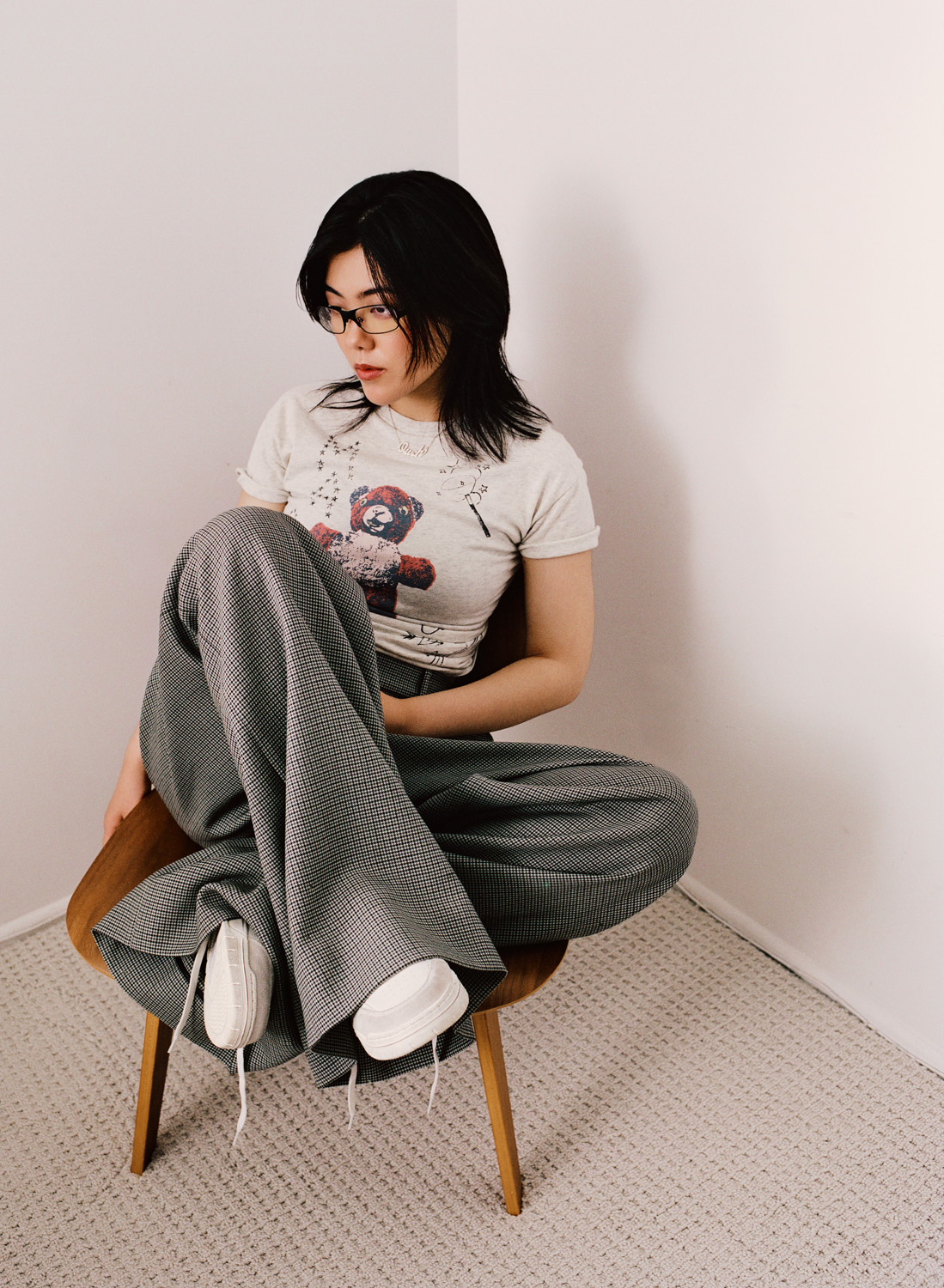
    jacket: diesel pants: dolce & gabbana (archive)


    Soyoon rose to fame in South Korea over 10 years ago as the lead guitarist, vocalist, and songwriter of SE SO NEON. The name of the group, she explained in an earlier interview, comes from a phrase meaning “new birds” or “new boys/kids.” Her earliest collaborators on SO SE NEON included drummer Ganto and bassist Fancy Moon, and in its later incarnations included bassist Park Hyunjin and drummer U-su. Today, she remains SO SE NEON’s one constant. Fluent in English, whether on solo or band work, she switches languages depending on what a song calls for.

    In 2017, their debut EP, Summer Plumage, brought immediate acclaim. It was nominated for Best Rock Album at the 2018 Korean Music Awards, the industry’s top recognition and won Best Rock Song for “The Wave.” They were crowned Rookie of the Year. 

    The following year, Soyoon released her first solo studio album, So!YoOn! expanding her artistic horizons to include pop, R&B, hip-hop, funk, and even visual arts–she received special permission from Australian artist Patricia Piccinini to feature her sculpture “The Rookie” as album cover art. 

    The same 2018 Korean Music Awards that put Soyoon and SO SE NEON on the map saw supergroup BTS winning Artist of the Year. Years later, a fateful chance meeting in a recording studio would bring Soyoon to collaborate with BTS’s leader, RM where the two found kinship as leaders of creative projects who were also  balancing solo efforts. 

    In the organic, old-fashioned way, the two began to collaborate, resulting in the longing-filled neo-soul “Smoke Sprite” off her second solo album, “Episode1: Love.” Directing or co-directing all of her videos, for “Smoke Sprite,” Soyoon saw herself inhabit various female personas from a futuristic rock goddess to a huntress, from a sunburnt warrior queen to a mysterious golden-haired siren. 

    And although both Soyoon and SO SE NEON had already been acclaimed outside Korea by that time, the collaboration brought her to the attention of a new audience. 

    “People [may] recognize me from any random place, like, from BTS,” she says, “Or the alternative indie rock scene. The nice thing about me is that I’m the type of person who can exist anywhere. It means I have a huge boundary…even my environment– as a Korean artist who lives in L.A. and not…without a huge label here. I literally started living here by myself to figure out my career and my life.” 

    Last August, Soyoon returned to SO SE NEON and released a full debut studio album <NOW>. Which was born out of intense studio sessions in New York City. An only child from an artistic family, Soyoon first took up piano lessons but fell in love with the guitar as an adolescent. <NOW> is anchored in her relationship with her instrument and also gave rise to a renewed focus on staying within the present moment.

    One of the highlights of <NOW> is “Remember!” inspired by her relationship with the late, great Japanese composer Ryuichi Sakamoto, who reached out to Soyoon years ago after seeing her perform on TV. “We had an interesting relationship,” she says of Sakamoto. “Because it wasn’t like a mentor/mentee…but I was so grateful [for the support],” she says, her eyes full of emotion. “Because I didn’t have any mentor or person who could advise me.” 

    blazer: saint laurent pants: r13 tee: world vintage shoes: dr. Martens

    Soyoon wrapped up a huge world tour last fall, one that took her across the U.S. and into Mexico, Europe, Asia, and Australia, her new’ 70s-vintage Fender Strat in tow, bought after much thought before she left. 

    After the tour she cherishes time balancing work and rest. She finds comfort in routine, cooking pasta at home more often than going out. Always productive, she  finds life in L.A. a little less fast-paced than in Seoul. This life feels like turning the page on a new chapter. 

    As a testament to the free-flowing nature of her pursuits, her latest collaboration is for the globally successful K-pop group Enhypen. On “No Way Back (feat. So!YoOn!)” from their Billboard 200-charting mini-album The Sin: Vanish, Soyoon’s voice gives a poignant counterweight to the group’s vocal trade-offs. 

    “I used to follow the rules,” she admits. “There are so many things I can do on a more personal level. What can I do? Even without music as a person, as an artist, what can I do, and what does it mean? I think this year I’m going to do more personal work, not only in music, maybe do more producing, or like a film story, or like any other projects. I’m interested in photography, so it will be really fun.” 

    One new project she is really excited to launch is SSN Books, a physical project where fans can sign up to receive slow mail from her every six weeks or so. “It’s not like a typical book publisher,” she says, “But a personal project of writing poetry. 

    “These days, she says people only use social media or TikTok, something really fast and easy…but that’s not my way.” Because she’s always traveling the notes can act almost like a postcard and perhaps one day, the writings can be collected into a book. 

    And what about performing? Will there come a time when she slows down? 

    “I want to perform in my ‘70s,” she says with a smile. 

    top: stylist’s own denim: ACNE studios (talent’s own) shoes: nike (talent’s own)

    CONNECT WITH SOYOON:
    INSTA

    The post SOYOON: IN THE FLOW appeared first on LADYGUNN.

  • SYNTHS, SAND, AND SHADOWS: LANDROID’S “HANK THE DRAGON”

    SYNTHS, SAND, AND SHADOWS: LANDROID’S “HANK THE DRAGON”


    After years navigating the Los Angeles punk and rock circuits, Cooper Gillespie and Greg Gordon set their sights on the High Desert and formed Landroid. The move to Landers, California, marked a shift in direction, with the surrounding landscape beginning to influence their sound in a tangible way. Gillespie carries vocals and bass, while Gordon propels the project with drums and sequences. Offstage, they co-founded Mojave Gold in Joshua Tree, channeling that same ethos into a venue dedicated to cultivating creative community.

    Their 2019 debut album, “Imperial Dunes,” introduced a sound that felt expansive yet grounded, blending atmosphere with tight songwriting. The single “Yellow Sea” drew attention for its dreamlike quality and established the band’s ability to balance mood with melody. Since then, Landroid has continued refining its approach, working toward its forthcoming album “Constellation,” set for release in 2026. The new record promises a broader narrative scope, moving between cosmic themes and deeply personal storytelling.

    Their latest single, “Hank the Dragon,” stands as a clear step forward. The track blends synths, distorted guitars, and hypnotic drums into a cohesive whole that feels both familiar and slightly off-center. There is a distinct nod to the 70s in its structure and tone, with a streak of psychedelia running through the arrangement. At the same time, the production keeps it grounded rather than drifting too far into nostalgia.

    Cooper Gillespie’s vocal performance anchors the song. Her delivery is ethereal but controlled, carrying the emotional weight without overselling it. The lyrics sit in that uneasy space where a mistake has been made, and the future of a relationship feels uncertain.

    As the band explains, “Hank the Dragon” is about replaying conversations, questioning timing, and wondering whether the foundation of a relationship still exists after something has gone wrong. It does not offer easy answers. Instead, it asks, “Are we still made of what brought us together in the first place?” Every element of the track works toward that tension, making “Hank the Dragon” a strong and focused addition to Landroid’s growing catalog.

    CONNECT WITH LANDROID 

    INSTAGRAM


    The post SYNTHS, SAND, AND SHADOWS: LANDROID’S “HANK THE DRAGON” appeared first on LADYGUNN.

  • THE MOMENT THE FOG LIFTS: JESSIE ALTMAN’S “SLEEPWALKING” EP

    THE MOMENT THE FOG LIFTS: JESSIE ALTMAN’S “SLEEPWALKING” EP


    “Sleepwalking,” Jessie Altman‘s new EP, feels like her most focused and conceptually cohesive work to date. Built around a quiet yet persistent sense of awakening, the four songs unfold as fragments of the same realization, each circling the fragile boundary between illusion and clarity. Produced by Grammy-winning Jason Lehning and mixed by Craig Alvin, the project carries a cinematic warmth that enhances the material without overwhelming it. In many ways, it plays like a four-part epiphany delivered through sharp, streamlined pop.

    The EP marks Jessie’s first full project under her new artist name. It arrives during a period of growing visibility, with Jessie touring alongside BBMAK and Tyler Hilton and earning recognition from SPIN as one of 2025’s Top Emerging Artists.

    Spend enough time in certain corners of the internet, and you’ll notice the quiet revival of Frutiger Aero aesthetics. Younger generations are revisiting that early-internet visual language with its gloss, optimism, and the belief that the digital future would be bright. It often resurfaces in playlists centered on music from that era or on songs that evoke its atmosphere. If that’s your wavelength, three of the four tracks here align naturally. Jessie likely didn’t set out with that reference point in mind, yet the textures land there anyway.

    Her rich, electro-flavored sound and the reasonably ethereal production elevate her vocal performance to near-spiritual terrain, with a sensibility that has helped her music surpass one million global streams while steadily expanding her audience.

    Sleepwalking” captures the feeling of moving through life without really being present. Something more mundane and insidious than the surreal detachment of depersonalization, like falling into unproductive lulls where you invest less and less of yourself in the world around you, until you suddenly realize you can’t remember the last time you felt anything genuine.

    “Mirror Mirror” follows that thread by questioning who you actually see when you look at yourself, beyond the face you present to the world and toward the one underneath. The question lingers because the answer shifts from day to day, shaped by the very realization introduced in the previous track.

    “Trick of the Light” engages perception more directly. It reflects on the stories we tell ourselves, because they feel easier than confronting uncomfortable truths, and on the ways we gradually soften reality until it becomes bearable. The risk, of course, is that this softening can harden into permanence. Given enough time, you can convince yourself of almost anything.

    “Hypnotic” shifts into different territory, examining what happens when another person becomes the escape and the intoxicating pull dissolves into someone else. Losing yourself can feel like transcendence; it can just as easily feel like erasure. 

    Each song in “Sleepwalking” approaches the same pivotal moment from a different angle, when the fog lifts just enough for you to notice you’ve been living half-awake, and time suddenly feels urgent. What happens next becomes the only question that matters.

    CONNECT WITH JESSIE ALTMAN

    INSTAGRAM | FACEBOOK | TIKTOK

    SEO Description: TAGS: 

    The post THE MOMENT THE FOG LIFTS: JESSIE ALTMAN’S “SLEEPWALKING” EP appeared first on LADYGUNN.

  • Have a Sweet Weekend.

    Have a Sweet Weekend.

    dog at lake tahoe

    What are you up to this weekend? I’m going on a date to a hotel pool (!!) and wearing my favorite swimsuit. Eeks. Hope you have a good one, and here are a few links from around the web…

    Can you draw all 50 states from memory?… Read more

    The post Have a Sweet Weekend. appeared first on Cup of Jo.

  • Peas with Mint & Parsley

    Peas with Mint & Parsley

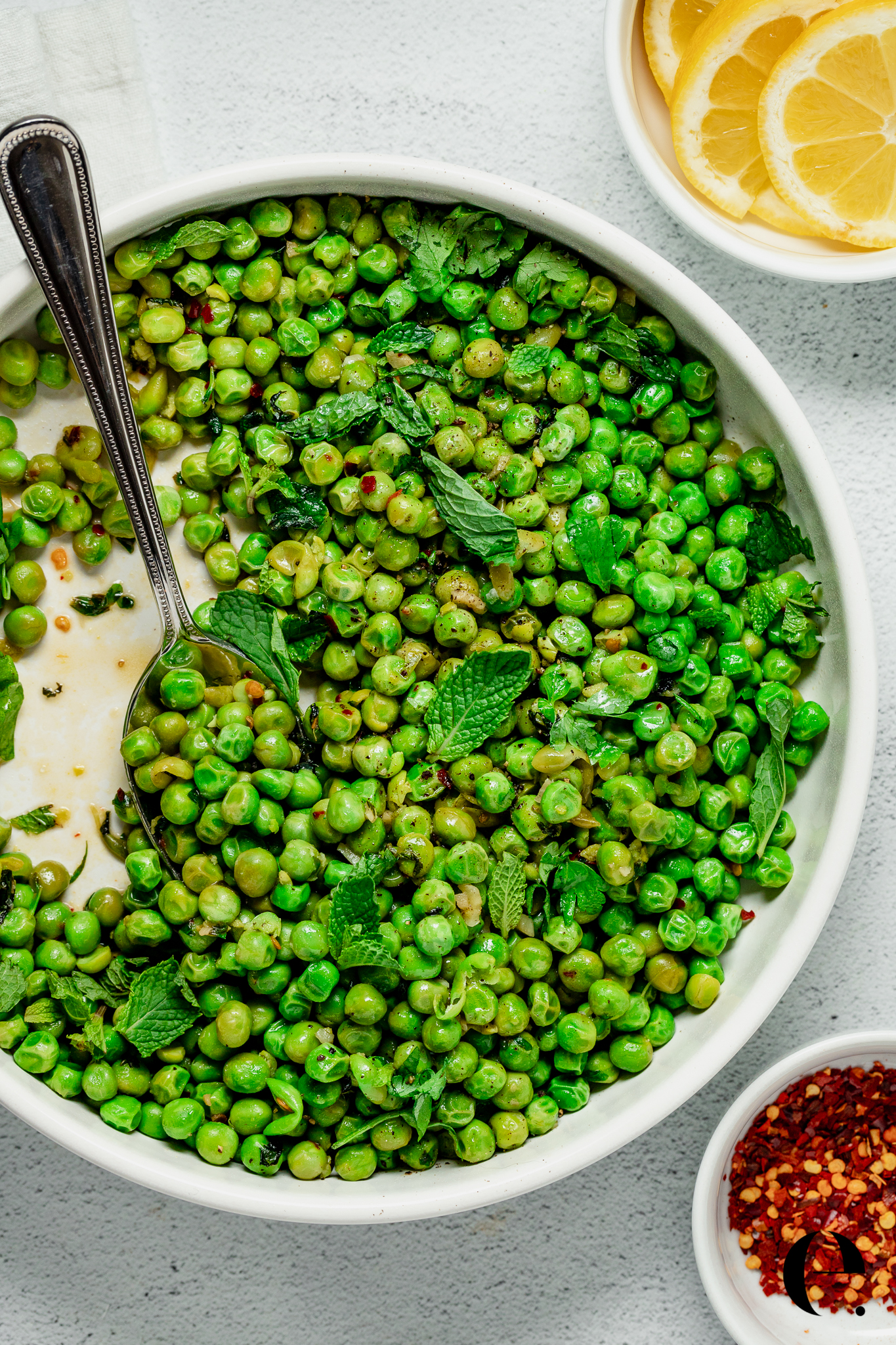
    Peas with Mint and Parsley

    Peas with Mint and Parsley is currently one of my favorite quick & healthy side dishes!

    It’s inexpensive and a fun way to add flavor and elevate peas. This simple spring recipe might just become your new favorite vegetable side dish.

    These peas with mint and parsley are light, buttery, and full of fresh garden flavor. A splash of lemon juice adds a touch of brightness, while a pinch of crushed red pepper flakes brings a subtle kick. It’s the perfect last-minute addition to any meal. This recipe is so versatile. It’s light enough for spring and summer but cozy enough for colder months, too.

    Best of all, it comes together in just 10 minutes and uses ingredients you probably already have on hand. It doesn’t get any easier than that.

    What You’ll Love About Peas With Mint And Parsley

    • Quick & Easy: Ready in 10 minutes, with minimal prep. Its great for a quick side dish when you have company over, but want to jazz up boring peas.
    • Fresh and Flavorful: The combination of mint, parsley, and lemon gives frozen peas a vibrant upgrade. Plus, the mint leave makes it visually pretty.
    • Healthy & Nourishing: Peas are rich in plant-based protein, fiber, and essential vitamins like C, K, and folate.
    • Naturally Gluten-Free & Vegetarian: A beautiful option for many dietary preferences.
    • Versatile: Works beautifully as a side dish, a light lunch with protein, or even a savory salad topper.
    Peas with Mint and Parsley

    What You Need To Make Peas With Mint And Parsley

    • Frozen peas: Frozen peas work perfectly here. We will give them a quick boil to soften.
    • Unsalted butter: Adds richness and depth to the dish. Use vegan butter or olive oil if preferred.
    • Fresh garlic: One medium sized clove, finely minced for that delicious garlic aromatic flavor.
    • Crushed red pepper flakes: Perfect for a pop of color and touch of gentle heat.
    • Fresh mint and parsley: Bright, herby, and refreshing. These fresh herbs really do bring this dish to life. Sometimes I use all mint if I don’t have fresh parsley in the fridge.
    • Lemon juice: Just a squeeze, about 1 tablespoon, brightens and balances the flavors.
    • Sea salt and freshly ground black pepper: Essential for seasoning and enhancing the natural sweetness of the peas.

    (See the printable recipe card below for exact measurements.)

    Peas with Mint and Parsley

    How To Make Peas With Mint And Parsley

    1. Cook the peas: Bring a medium pot of water to a boil. Add the peas and cook for 2–3 minutes, or until just tender. Drain well and set aside.
    2. Sauté aromatics: In the same pot, melt the butter over medium heat. Add the minced garlic and crushed red pepper flakes. Cook for 1 minute, stirring constantly, just until fragrant.
    3. Combine peas and herbs: Add the cooked peas back into the pot along with the chopped mint and parsley. Stir to combine and season with salt and pepper.
    4. Lightly mash: Use a fork or potato masher to gently mashing some of the peas. You want a chunky, rustic texture, be sure to not over-mash.
    5. Finish with lemon: Stir in the fresh lemon juice and taste. Adjust salt, pepper, and herbs as needed.

    Tips & Variations

    • Vegan & Dairy-free option: Use olive oil or a plant-based butter substitute to make it dairy-free.
    • Add protein: Try mixing in cooked quinoa, topping with a soft-boiled egg, or serving alongside grilled chicken or roast beef.
    • Make it spreadable: Mash the peas more thoroughly and spread onto toast with whipped feta dip and a drizzle of olive oil.
    • Switch up the herbs: If you don’t have mint, fresh basil also works well for a different flavor profile.
    • Storage: Keep leftover peas in the refrigerator in an airtight container for up to 4 days.

    The post Peas with Mint & Parsley appeared first on Elizabeth Rider – Modern Healthy Living.